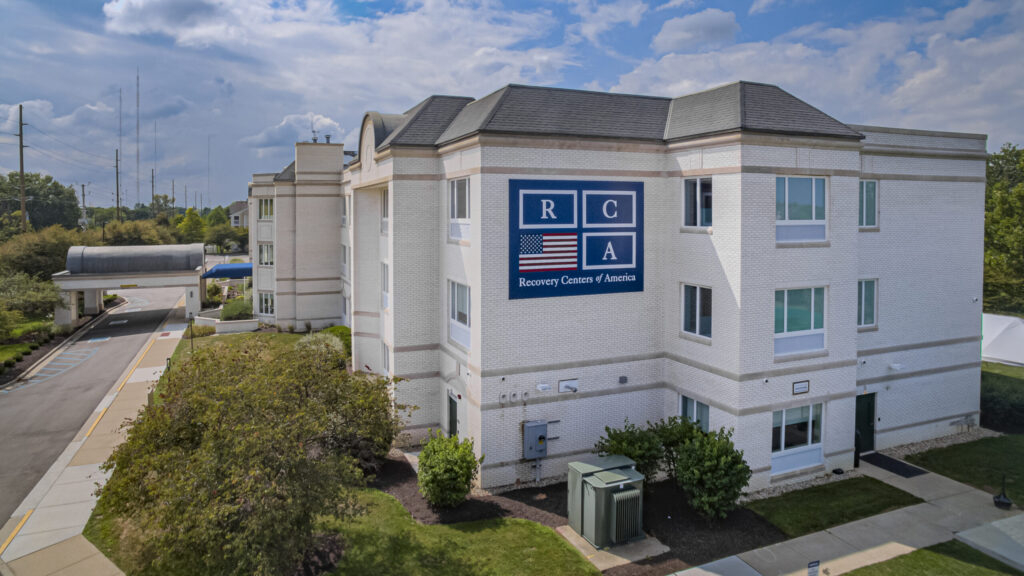
Recovery from addiction is rarely a linear journey. It requires more than temporary intervention—it demands comprehensive care, sustained support, and evidence-based strategies tailored to each individual’s unique circumstances. For those seeking to rebuild their lives after substance use disorders, choosing the right facility can make all the difference. An indiana treatment center offers specialized programs designed not just for initial sobriety, but for enduring transformation that addresses the physical, psychological, and social dimensions of addiction.
Understanding what makes treatment effective over the long term helps individuals and families make informed decisions about recovery options. Research consistently shows that integrated approaches combining medical care, therapeutic intervention, community support, and aftercare planning produce the strongest outcomes. Centers throughout Indiana have developed sophisticated models that reflect these evidence-based principles while responding to the specific needs of their communities.
The Foundation of Comprehensive Assessment
Effective long-term healing begins with thorough evaluation. Treatment centers in Indiana employ multidisciplinary assessment teams that examine not only the nature and severity of substance use, but also co-occurring mental health conditions, medical complications, trauma history, and social circumstances. This comprehensive initial assessment creates the blueprint for individualized treatment planning.
Clinical staff typically conduct structured interviews, administer standardized assessment tools, and review medical histories to build a complete picture of each person’s situation. They identify specific substances used, patterns of use, previous treatment attempts, family history of addiction, employment status, legal issues, and housing stability. This information guides decisions about the appropriate level of care—whether residential treatment, partial hospitalization, intensive outpatient services, or standard outpatient support.
Beyond immediate clinical needs, assessment teams evaluate strengths and resources that can support recovery. They identify supportive relationships, employment skills, educational background, spiritual or religious connections, and personal interests that can be leveraged during treatment. Recognizing what individuals bring to their recovery journey—not just their challenges—creates a more balanced and hopeful foundation for healing.
Medical Stabilization and Detoxification Services
For many entering treatment, the first critical step involves safely managing withdrawal symptoms. Indiana treatment facilities provide medically supervised detoxification that addresses the physical dependence on substances while minimizing discomfort and medical risks. Licensed medical professionals monitor vital signs, administer medications when appropriate, and ensure patient safety throughout this vulnerable period.
Detoxification protocols vary based on the substances involved. Alcohol and benzodiazepine withdrawal can be life-threatening without proper medical management, requiring careful titration of medications and close monitoring. Opioid withdrawal, while typically not medically dangerous, causes significant discomfort that medication-assisted treatment can effectively address. Stimulant withdrawal requires supportive care and monitoring for depression or suicidal ideation.
Medical stabilization extends beyond acute withdrawal management. Treatment centers address other health conditions that often accompany substance use disorders, including infectious diseases, nutritional deficiencies, dental problems, and chronic pain. Coordinating with primary care physicians, specialists, and pharmacists ensures that medical needs don’t undermine recovery efforts. This holistic attention to physical health creates stability that supports engagement with therapeutic programming.
Evidence-Based Therapeutic Interventions
The core of long-term healing lies in addressing the psychological and behavioral patterns that sustain addiction. Indiana treatment centers employ licensed therapists trained in evidence-based modalities proven effective for substance use disorders. Cognitive-behavioral therapy helps individuals identify and modify thought patterns and behaviors that trigger substance use. They learn to recognize high-risk situations, develop coping strategies, and challenge distorted thinking that justifies continued use.
Dialectical behavior therapy provides skills for managing intense emotions, tolerating distress, and improving relationships—particularly valuable for individuals with co-occurring mood disorders or trauma histories. Motivational interviewing techniques help resolve ambivalence about change and strengthen internal motivation for recovery. These therapeutic approaches don’t simply address symptoms; they build psychological tools that serve individuals throughout their lives.
Group therapy creates powerful opportunities for connection and learning. Facilitated by trained therapists, group sessions allow individuals to share experiences, provide mutual support, challenge each other’s rationalizations, and practice interpersonal skills in a safe environment. The universality of struggles with addiction—realizing that others face similar challenges—reduces isolation and shame while building accountability and hope.
Trauma-Informed Care Approaches
Research reveals strong connections between trauma exposure and substance use disorders. Many individuals entering treatment have experienced physical abuse, sexual assault, neglect, domestic violence, or other traumatic events. Unaddressed trauma often drives continued substance use as a means of emotional escape or self-medication. Recognizing this reality, Indiana treatment centers increasingly adopt trauma-informed care principles throughout their programming.
Trauma-informed approaches create environments of physical and emotional safety where individuals feel respected, empowered, and supported. Staff members receive training in recognizing trauma responses and avoiding re-traumatization through coercive or confrontational practices. Treatment plans incorporate trauma-specific therapies such as Eye Movement Desensitization and Reprocessing (EMDR) or trauma-focused cognitive-behavioral therapy when appropriate.
Creating trauma-sensitive environments means attending to details that might seem minor but significantly impact comfort and engagement. Private spaces for counseling, clear communication about expectations, opportunities for choice and control, and validation of experiences all contribute to healing environments. When individuals feel safe, they can engage more fully with treatment and develop trust in the recovery process.
Family Involvement and Relationship Repair
Addiction affects entire family systems, not just individuals. Loved ones often experience their own trauma, develop unhealthy coping patterns, and struggle with enabling behaviors or codependency. Indiana treatment centers recognize that sustainable recovery requires addressing these family dynamics through education, therapy, and support services.
Family education programs help loved ones understand addiction as a disease, recognize enabling behaviors, establish healthy boundaries, and develop communication skills. These programs reduce blame and shame while providing practical tools for supporting recovery without compromising their own wellbeing. When families understand the recovery process, they become more effective partners in long-term healing.
Family therapy sessions create opportunities to address relationship conflicts, rebuild trust, and establish new patterns of interaction. Therapists facilitate difficult conversations in safe environments where all parties can express feelings, clarify expectations, and work toward reconciliation. Not all relationships can or should be preserved, but therapy helps individuals make healthy decisions about which connections support their recovery and which require distance or boundaries.
Developing Life Skills and Vocational Support
Sustained recovery requires more than abstinence—it demands rebuilding functional lives with meaningful activities, stable housing, and financial security. Treatment centers provide life skills training that addresses practical challenges many individuals face after extended periods of substance use. These programs cover budgeting and financial management, job search strategies, resume writing, interview skills, time management, nutrition and meal planning, and household management.
Vocational counseling helps individuals identify employment interests, assess skills and experience, address gaps in work history, and connect with job training or educational opportunities. Some treatment centers maintain relationships with employers willing to hire individuals in recovery, creating pathways to meaningful work. Employment provides not only income but also structure, purpose, and opportunities for building self-esteem through accomplishment.
Educational support ranges from GED preparation to assistance with college applications or vocational training enrollment. Returning to school or learning new skills opens possibilities that may have seemed foreclosed during active addiction. These concrete steps toward building stable, productive lives reinforce commitment to recovery and provide hope for the future.
Peer Support and Recovery Community Integration
Connection with others in recovery provides powerful support for long-term healing. Treatment centers facilitate participation in mutual support groups such as Alcoholics Anonymous, Narcotics Anonymous, SMART Recovery, or faith-based recovery groups. These communities offer ongoing support, accountability, and practical wisdom from those who have navigated similar challenges.
Peer support specialists—individuals with lived experience of addiction and recovery—play increasingly important roles in treatment programming. They model successful recovery, provide hope through their own stories, and offer practical guidance based on firsthand knowledge. The relationship between peer supporters and those newly entering recovery differs from clinical relationships, often allowing for connection and trust that complements professional therapy.
Many treatment centers help individuals develop recovery support networks before discharge, identifying specific meetings to attend, connecting them with sponsors or mentors, and facilitating introductions to recovery community members. These connections provide crucial support during the vulnerable transition from structured treatment to independent living.
Medication-Assisted Treatment Options
For individuals with opioid or alcohol use disorders, medications can significantly improve long-term outcomes. Medication-assisted treatment combines FDA-approved medications with counseling and behavioral therapies to provide a comprehensive approach. For opioid use disorder, medications such as buprenorphine, methadone, or naltrexone reduce cravings, prevent withdrawal, and block the euphoric effects of opioids.
These medications are not simply substituting one drug for another—they are evidence-based treatments that normalize brain chemistry disrupted by addiction, allowing individuals to engage more fully with recovery programming and rebuild their lives. Research consistently demonstrates that medication-assisted treatment reduces overdose deaths, increases treatment retention, and improves overall outcomes compared to abstinence-only approaches.
Indiana treatment centers with medication-assisted treatment programs provide medical monitoring, dosage adjustments, and coordination with ongoing prescribers after discharge. They educate individuals and families about how these medications work, address misconceptions and stigma, and support informed decision-making about treatment options. Access to these medications represents a critical component of comprehensive care.
Continuing Care and Relapse Prevention Planning
Treatment doesn’t end at discharge. Effective programs develop detailed continuing care plans that outline specific steps for maintaining recovery after leaving structured treatment. These plans identify triggers and warning signs of potential relapse, specify coping strategies for managing cravings and difficult emotions, list support resources including therapists, support groups, and sponsors, establish goals for employment, education, housing, and relationships, and schedule follow-up appointments with treatment providers.
Alumni programs maintain connection with individuals who have completed treatment, offering ongoing support groups, social activities, and opportunities to give back by mentoring others. These programs reduce isolation and provide accountability while celebrating recovery milestones. Staying connected to treatment communities reminds individuals of their progress and reinforces commitment to continued growth.
Many centers provide step-down levels of care that create gradual transitions rather than abrupt endings. Individuals might move from residential treatment to partial hospitalization, then to intensive outpatient services, and finally to standard outpatient therapy. This graduated approach provides scaffolding as individuals rebuild independent lives while maintaining therapeutic support.
Measuring Success Beyond Abstinence
While sobriety remains important, comprehensive treatment centers recognize that true healing encompasses broader life improvements. Success metrics include improved physical and mental health, restored relationships with family and friends, stable housing and employment, reduced involvement with criminal justice systems, and enhanced overall quality of life and wellbeing.
Treatment outcomes research conducted at Indiana facilities tracks these multidimensional markers of recovery over time. Data collection at 3, 6, and 12 months post-discharge provides insights into long-term effectiveness and identifies areas for program improvement. Individuals who participate in outcome surveys contribute to advancing evidence-based practices that benefit future generations seeking recovery.
This holistic view of success acknowledges that recovery is a process, not an event. Individuals may experience setbacks while still making meaningful progress in other life areas. Treatment philosophies that view any substance use as complete failure can undermine motivation and engagement. Instead, evidence-based approaches help individuals learn from challenges, adjust strategies, and continue moving toward healthier lives.
Choosing the Path Forward
For those considering treatment options in Indiana, understanding these comprehensive approaches to long-term healing provides a framework for evaluating facilities and programs. Questions about assessment processes, therapeutic modalities, family involvement, aftercare planning, and outcome tracking help identify centers equipped to support sustained recovery. The investment in comprehensive treatment pays dividends not only for individuals and families but for entire communities as people rebuild productive, meaningful lives.
Recovery is possible. With appropriate support, evidence-based treatment, and commitment to change, individuals can heal from addiction and create futures they might never have imagined during their darkest moments. Indiana treatment centers stand ready to provide the comprehensive care that makes long-term healing achievable.