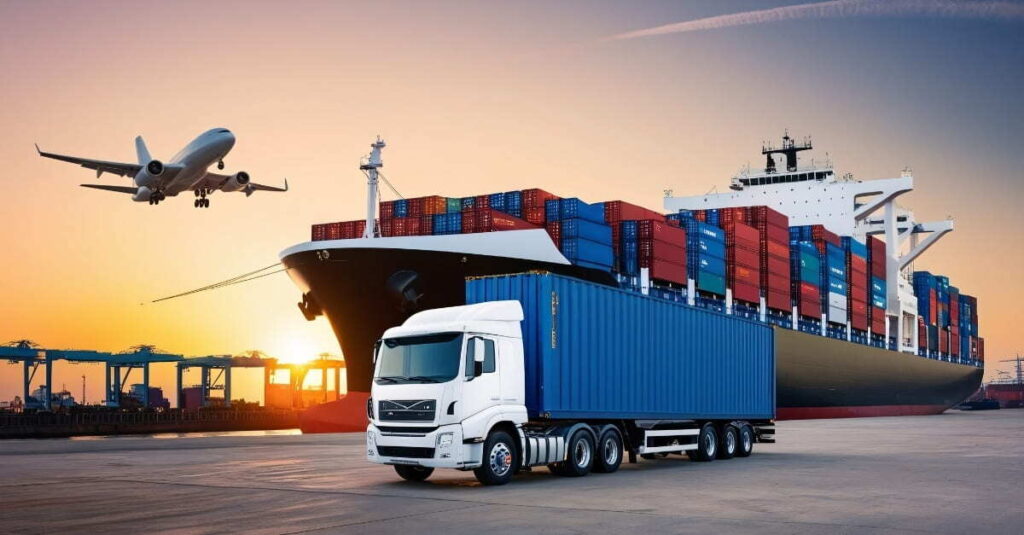
When you are shipping goods internationally, the logistics can quickly become overwhelming. Between customs regulations, carrier negotiations, and tracking shipments across time zones, the complexity of global trade is immense. This is where freight forwarders step in. They act as the architects of transport, Freight Forwarder Services for individuals or corporations to get goods from the manufacturer or producer to a market, customer, or final point of distribution.
If you are considering using a freight forwarder or simply want to understand the industry better, this guide covers the essential statistics, service details, and frequently asked questions to give you a clear picture of the landscape.
What exactly does a freight forwarder do?
A freight forwarder is an intermediary between a shipper and various transportation services such as ocean shipping on cargo ships, trucking, expedited air freight, and moving goods by rail.
It is important to note that freight forwarders typically do not move the freight themselves. Instead, they act as experts in the logistics network. They utilize their relationships with carriers to negotiate the best possible price to move shippers’ goods along the most economical route by working out various bids and choosing the one that best balances speed, cost, and reliability.
Key responsibilities include:
- Logistics Planning: Determining the best route and mode of transport.
- Documentation: Handling bills of lading, commercial invoices, and export declarations.
- Customs Brokerage: Facilitating the clearance of goods through customs barriers.
- Cargo Insurance: Offering insurance services to protect against loss or damage.
- Warehousing: Storing goods before or after shipment.
How big is the freight forwarding market?
To understand the reliance businesses have on these services, look at the market size. The global freight forwarding market is a massive engine driving international trade.
- Market Valuation: As of recent estimates, the global freight forwarding market is valued at over $190 billion. It is projected to continue growing as global e-commerce expands.
- Sea vs. Air: Sea freight dominates the volume of goods moved, accounting for roughly 90% of global trade by volume. However, air freight, while smaller in volume, accounts for a significant portion of trade by value due to the speed and type of goods shipped (electronics, pharmaceuticals, etc.).
- Digital Transformation: The digital freight forwarding market is growing rapidly. Reports suggest a compound annual growth rate (CAGR) of over 23% for digital platforms in this sector over the next few years. This indicates a massive shift from traditional pen-and-paper operations to automated, software-driven solutions.
Why should a business use a freight forwarder?
For many businesses, the decision comes down to resources. Managing logistics in-house requires a dedicated team, expensive software, and deep industry knowledge.
Cost Efficiency: Forwarders ship in massive volumes. Because they aggregate cargo from multiple clients, they have significant bargaining power with carriers. This often results in lower shipping rates than a single business could negotiate on its own.
Risk Management: International shipping involves risks ranging from lost cargo to compliance fines. Forwarders understand the legal requirements of different countries. They ensure that all documentation is compliant, reducing the risk of goods being held up at customs.
Scalability: If your business sees a sudden spike in demand, a freight forwarder can easily scale your logistics operations to meet that demand without you needing to invest in fleet or warehouse space.
What is the difference between a freight forwarder and a carrier?
This is a common point of confusion.
- The Carrier: The company that physically moves the goods. This is the trucking company, the ocean liner (like Maersk or MSC), or the airline. They own the assets—the trucks, ships, and planes.
- The Freight Forwarder: The agent who arranges the movement. They do not own the ships or planes. They own the relationship and the process.
Think of it this way: The carrier is the airline, and the freight forwarder is the travel agent who books your multi-stop itinerary, ensures you have the right visas, and arranges your taxi to the airport.
What documents are required for freight forwarding?
Documentation is the backbone of international shipping. A single missing document can leave cargo stranded at a port for weeks.
- Commercial Invoice: The bill for the goods from the seller to the buyer. It determines the true value of goods for customs duties.
- Bill of Lading (B/L): A contract between the owner of the goods and the carrier. It serves as a receipt for the shipment and a document of title.
- Certificate of Origin: A document certifying the country in which the goods were manufactured. This is crucial for determining tariff rates.
- Inspection Certificate: Required by some purchasers and countries to certify the goods were in good condition immediately prior to shipment.
- Export License: A government document authorizing the export of specific goods in specific quantities to a particular destination.
How do freight forwarders charge for their services?
Pricing in logistics can be opaque. Forwarders typically provide a quote that includes several different line items.
- Freight Charges: The cost paid to the carrier for the transport.
- Handling Fees: The fee the forwarder charges for processing documents and arranging the shipment.
- Customs Clearance Fees: Costs associated with filing the necessary paperwork with customs authorities.
- Insurance: Calculated as a percentage of the value of the goods plus the freight cost.
- Surcharges: These can include fuel surcharges (BAF), currency adjustment factors (CAF), and peak season surcharges (PSS).
Statistic to note: Logistics costs typically range between 8% to 15% of sales turnover for manufacturing companies. Optimizing these costs through an efficient forwarder can have a direct impact on the bottom line.
What is a “Digital Freight Forwarder”?
The industry is currently undergoing a significant shift toward digitization. Traditional forwarding relies heavily on emails, phone calls, and manual spreadsheets. Digital freight forwarders (DFFs) use technology to automate these processes.
Features of DFFs include:
- Instant Quoting: Instead of waiting days for a quote, shippers can get real-time pricing.
- Real-Time Tracking: GPS and API integrations allow for granular tracking of shipments, similar to tracking a consumer package.
- Paperless Documentation: All documents are uploaded and managed in a centralized cloud platform.
- Data Analytics: Shippers can view dashboards showing their spend, transit times, and carbon footprint.
Adoption is rising. A survey of supply chain leaders indicated that over 60% plan to invest in digital freight forwarding solutions to improve visibility and efficiency.
How does customs brokerage fit into freight forwarding?
Customs brokerage is often a service offered by freight forwarders, though it is a distinct function. Customs brokers are licensed individuals or entities that assist importers and exporters in meeting federal requirements governing imports and exports.
While a forwarder gets the goods to the border, the broker gets them across the border. They ensure the proper classification of goods (using HS codes) and the payment of duties and taxes.
Common Customs Issues:
- Incorrect Classification: Assigning the wrong HS code can lead to overpaying duties or facing penalties for underpayment.
- Missing Documentation: As mentioned, missing paperwork is a primary cause of delays.
- Regulatory Changes: Trade wars, tariffs, and sanctions change frequently. Brokers must stay current on these shifts to keep shipments compliant.
What are Incoterms and why do they matter?
Incoterms (International Commercial Terms) are a set of standardized trade terms published by the International Chamber of Commerce (ICC). They define the responsibilities of sellers and buyers for the delivery of goods.
Common Incoterms include:
- EXW (Ex Works): The buyer bears almost all costs and risks throughout the shipping process.
- FOB (Free on Board): The seller is responsible for the goods until they are loaded on board the ship.
- CIF (Cost, Insurance, and Freight): The seller covers the costs and insurance to bring the goods to the port of destination, but the risk transfers to the buyer once the goods are on the ship.
- DDP (Delivered Duty Paid): The seller assumes all responsibilities and costs for delivering the goods to the named place of destination, including import duties and taxes.
Understanding Incoterms is critical because they dictate who pays for the freight forwarder. If you buy under EXW terms, you (the buyer) must hire the forwarder. If you buy under DDP, the seller handles it.
How do I choose the right freight forwarder?
Selecting a partner is a strategic decision. Here are criteria to evaluate:
- Network and Reach: Do they have established relationships in the countries you are shipping to and from? A forwarder with a strong network in China is essential if that is your primary manufacturing base.
- Industry Expertise: Some forwarders specialize in specific industries, such as cold chain (food and pharmaceuticals) or automotive. They will understand the specific handling requirements of your goods.
- Financial Stability: You want a partner who pays the carriers on time. If a forwarder goes bankrupt, your cargo could be held hostage by carriers demanding payment.
- Technology: Do they offer the visibility you need? If your business relies on just-in-time inventory, real-time tracking is non-negotiable.
- Customer Service: When things go wrong (and in logistics, they eventually will), can you reach a human being?
What are the current challenges in the freight forwarding industry?
The logistics sector has faced unprecedented volatility in recent years.
- Capacity Constraints: During peak seasons or global disruptions, finding space on ships and planes can be difficult.
- Rate Volatility: Ocean freight rates can fluctuate wildly based on fuel prices, geopolitical tension, and carrier alliances.
- Sustainability: There is increasing pressure to reduce the carbon footprint of logistics. The shipping industry accounts for roughly 3% of global greenhouse gas emissions. Forwarders are increasingly asked to provide carbon reporting and “green” shipping options.
- Labor Shortages: A shortage of truck drivers and port workers in key regions continues to create bottlenecks in the supply chain.
Is freight forwarding regulated?
Yes, the industry is heavily regulated. In the United States, for example, Ocean Transportation Intermediaries (OTIs) must be licensed by the Federal Maritime Commission (FMC). Air freight forwarders act as agents for airlines and are accredited by the International Air Transport Association (IATA).
Compliance is not just about licenses. Forwarders must adhere to strict security regulations, such as the C-TPAT (Customs-Trade Partnership Against Terrorism) in the US, to ensure the supply chain remains secure.
The Future of Freight Forwarding
The role of the freight forwarder is evolving from a transactional service provider to a strategic consultant. As supply chains become more data-driven, the forwarder’s value lies in their ability to interpret data, predict disruptions, and optimize flows.
Businesses that leverage modern, efficient freight forwarding services gain a competitive edge. They can move products faster, adapt to market changes more nimbly, and keep their promises to customers. Whether you are a small startup importing your first batch of products or a multinational corporation, the freight forwarder remains the essential navigator of the global trade map.