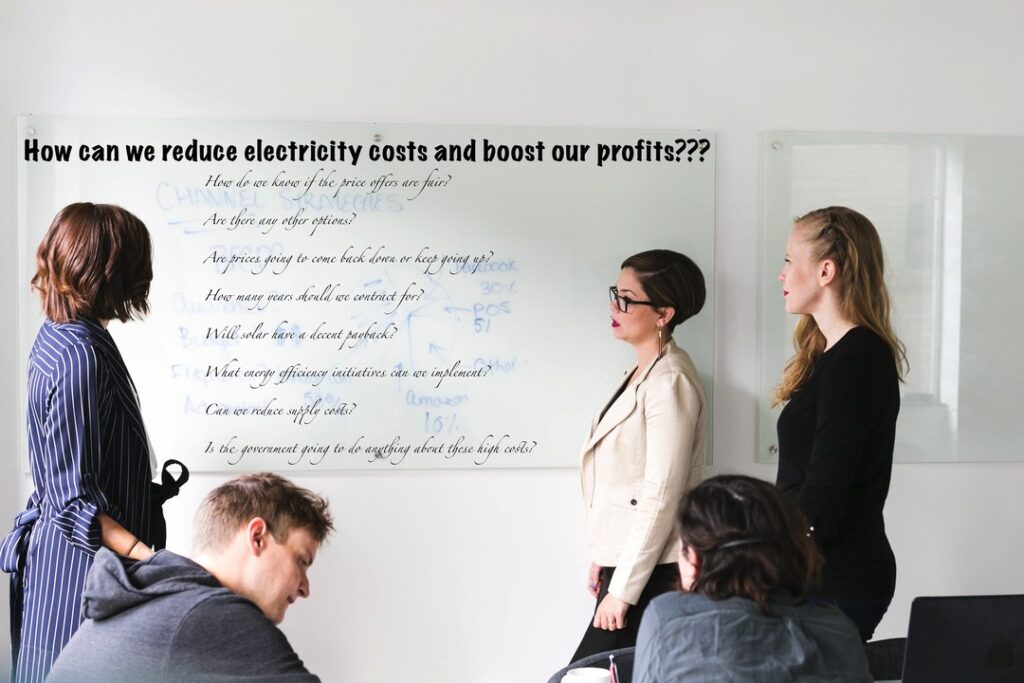
Electricity is one of those business costs that tends to get treated as an unavoidable fixed expense: a bill that arrives, gets paid, and receives little scrutiny until it becomes impossible to ignore. That approach is costly. For most businesses, electricity represents one of the larger controllable overhead items on the balance sheet, and the gap between what companies actually pay and what they could pay through more informed procurement is often substantial.
Understanding how business electricity markets work, what drives pricing, and how to approach contract management intelligently can change the cost picture significantly over the course of a year or across a multi-year planning horizon.
Why Business Electricity Is Different From Residential Supply
The residential electricity market operates on standardized tariffs. Households choose from a relatively limited set of options, and rates are regulated to a degree that limits the variation between what different customers pay. The business electricity market operates quite differently.
Commercial electricity contracts are negotiated, not standardized. Rates vary based on consumption volume, load profile, meter type, contract duration, and the supplier’s own risk assessment of your business. Two businesses in the same street with similar square footage and similar usage patterns might be paying significantly different rates simply because one has an actively managed contract and the other is on a rolled-over default arrangement.
This means that businesses which approach their business electricity procurement as a negotiated commercial relationship rather than a passive administrative task consistently achieve better outcomes. The market rewards engagement.
The Real Cost of Doing Nothing
The most expensive electricity contract for most businesses is the one they never reviewed. When a fixed term contract expires and the business fails to take action, most suppliers automatically roll the account onto a higher rate. These out of contract or deemed rates are typically well above the best available market rates, sometimes considerably so.
The problem is structural. Suppliers have little commercial incentive to proactively alert customers that they are now on poor value terms. The onus sits entirely with the business to monitor contract end dates and initiate the renewal process at the right time. For businesses managing multiple sites, multiple contracts, or high consumption levels, the financial impact of failing to act can be significant on an annual basis.
Building a simple calendar reminder system around contract end dates and starting the comparison process at least three to four months before renewal is one of the most straightforward and high value changes a business can make to its overhead management.
What Drives Your Electricity Pricing
Understanding the components of a business electricity bill helps inform procurement decisions. Beyond the headline unit rate, business electricity costs typically include several elements: a standing charge covering the fixed cost of maintaining your connection, distribution use of system charges, transmission network charges, and various policy costs including climate levy contributions.
Your consumption profile matters significantly. Businesses that draw heavily on the grid during peak demand periods attract different pricing than those with flatter, more predictable load patterns. If your operations give you any flexibility over when energy intensive processes run, shifting some consumption to off-peak hours can reduce costs in a way that goes beyond the unit rate.
Contract length is another variable worth considering carefully. Shorter contracts preserve flexibility but typically carry higher unit rates because the supplier takes on more price risk. Longer fixed term contracts can lock in favorable rates, but require confidence that your energy needs and the market environment will remain reasonably stable. The right choice depends on your business’s specific risk tolerance and operational forecast.
Energy Efficiency as a Cost Strategy
Procurement optimization and efficiency improvement are two complementary strategies, not alternative ones. Reducing consumption through efficiency measures while simultaneously ensuring the consumption you do have is priced competitively produces the most meaningful results.
For office based businesses, lighting and HVAC systems typically account for the largest share of electricity consumption. LED lighting upgrades deliver fast payback periods and meaningful ongoing savings. HVAC optimization, including regular maintenance, smart thermostatic controls, and careful management of heating and cooling schedules, can reduce energy spend substantially without affecting comfort or productivity.
This connects directly to how businesses approach their broader operational environment. The decisions made around office design and infrastructure have ongoing energy cost implications that compound over time. As the relationship between office setup and daily operational running costs shows, the physical environment of a business directly shapes its overhead profile. See our article on how sustainability considerations factor into modern office operations for more on how environment and energy costs intersect at an operational level.
Choosing the Right Procurement Approach
For smaller businesses, direct comparison through an energy broker or comparison service is generally the most practical procurement route. Brokers have visibility across multiple suppliers and can identify competitive rates that individual businesses would struggle to access through direct negotiation. The key is working with a broker who operates transparently and clearly discloses any commission arrangements, so that the advice you receive reflects your interests rather than the broker’s preferred supplier relationships.
For larger businesses with higher consumption levels, a more structured tendering process may deliver better results. Inviting multiple suppliers to quote on a defined specification, and comparing offers systematically against agreed criteria, tends to drive more competitive pricing than informal renewal conversations.
Whichever approach you take, the outcome depends heavily on timing. Energy markets fluctuate, and the rate available at one point in the year may differ considerably from what is available six months later. Businesses that monitor market conditions and are prepared to commit when rates are favorable have a structural advantage over those that only engage with procurement at the point of contract expiry under time pressure.
Renewable Energy and Business Procurement
The case for renewable electricity has strengthened considerably from a purely commercial perspective. As renewable generation capacity has grown, the premium for green tariffs has narrowed substantially. For many businesses, sourcing electricity from verified renewable sources now costs very little more than a conventional supply and, in some cases, is competitive on a straight cost basis.
The regulatory trajectory reinforces this direction. Carbon reporting requirements are expanding, and businesses that have not begun to address their scope two emissions through energy procurement will face increasing compliance and disclosure pressures. Addressing this through electricity contracts is one of the more straightforward available options, and the commercial case for doing so has rarely been stronger.
Making Electricity Procurement a Regular Management Function
The businesses that manage energy costs most effectively are those that treat procurement as an ongoing function rather than a periodic crisis response. This means maintaining clear records of contract terms and end dates, building market comparison into annual planning cycles, working with reliable advisors who understand both the market and your specific business needs, and treating efficiency improvement as a continuous rather than one off exercise.
None of this requires specialized expertise or significant time investment. The fundamental discipline is attention: knowing what you are paying, understanding whether that is competitive, and acting proactively rather than reactively. In a cost environment where every overhead category matters, business electricity is one of the more accessible places to make real and lasting improvements to the bottom line.