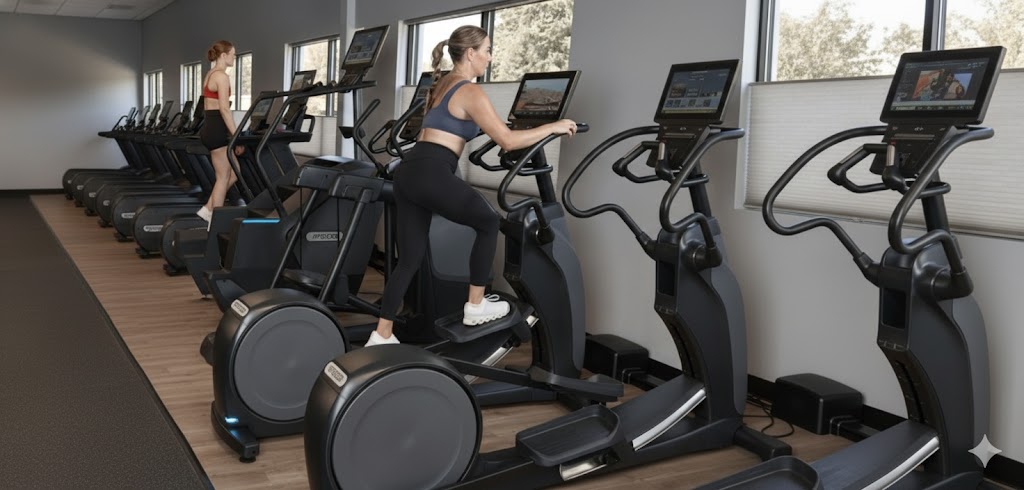
Opening a new fitness center or upgrading an existing one involves many critical decisions. Among the most important is selecting the right equipment. For high-traffic gyms, where machines are in constant use from dawn until dusk, the standard for equipment is exceptionally high. You need gear that is not just effective but also incredibly durable, safe, and reliable. Investing in professional-grade commercial gym equipment is essential for building a facility that attracts and retains members, ensuring their safety and satisfaction while protecting your investment for years to come.
This guide will explore the essential aspects of choosing commercial gym equipment designed for demanding environments. We will answer common questions gym owners face, highlight key statistics that underscore the importance of quality, and discuss the features that define professional-grade machinery. By the end, you’ll have a clear understanding of why prioritizing durability and performance is the only sustainable path for a successful fitness center.
Why is durability the most critical factor for commercial gym equipment?
In a high-traffic fitness center, equipment is subjected to continuous, intensive use by a diverse range of members with varying levels of experience. Durability is not just a feature; it’s the foundation of your gym’s operations and reputation. Machines that frequently break down create a ripple effect of problems. They lead to member frustration, negative reviews, and potential safety hazards. Constant repairs and replacements also translate into unforeseen expenses and significant operational downtime, directly impacting your revenue.
Consider the numbers: facilities report that out-of-order equipment is one of the top complaints from members. A single broken treadmill or cable machine during peak hours can disrupt the workout experience for dozens of people. Professional-grade equipment is engineered specifically for this environment. It is constructed from superior materials like heavy-gauge steel, features reinforced welding, and uses industrial-quality components such as cables, pulleys, and bearings. This robust construction ensures that each piece can withstand thousands of repetitions daily without failing, providing the reliability your business depends on.
How does quality equipment impact member retention and acquisition?
The fitness industry is highly competitive. Members have more choices than ever before, and their decision to join or stay at a gym is heavily influenced by the quality of the facilities. A survey of gym-goers found that the quality and variety of equipment ranked as one of the top three reasons for choosing a gym, just behind location and price. This shows that your equipment is a direct reflection of your brand’s commitment to excellence.
When potential members tour your facility, they are evaluating the tools they will use to achieve their fitness goals. Clean, modern, and well-maintained equipment creates a powerful first impression, signaling that you are invested in providing a premium experience. For existing members, reliable equipment ensures they can follow their workout routines without interruption. Features like smooth-operating machines, biomechanically correct designs, and intuitive adjustments contribute to a positive and effective workout, which is key to long-term satisfaction. Happy members are more likely to renew their subscriptions and, just as importantly, recommend your gym to others. Word-of-mouth marketing remains one of the most powerful tools for growth, and it starts with delivering an exceptional experience.
What are the key differences between commercial and home-use gym equipment?
While both types of equipment may appear similar, they are built to entirely different standards. Understanding these differences is crucial for any gym owner.
- Construction and Materials: Commercial equipment uses heavy-duty steel frames, commercial-grade upholstery that resists tears and sweat, and high-performance mechanical parts. Home-use equipment, designed for a single family, uses lighter materials and less robust components.
- Testing and Certification: Professional equipment undergoes rigorous testing to simulate years of heavy use in a commercial setting. It must meet stringent safety and durability certifications that are not required for home equipment.
- Biomechanics and Adjustability: Commercial machines are designed with advanced biomechanics to support a wide range of body types and sizes safely. They offer more extensive and easier-to-use adjustment options to accommodate everyone from a novice to a professional athlete.
- Warranty: The warranties are fundamentally different. A commercial warranty covers use in a public facility, which is a much more demanding environment. Using home-grade equipment in a commercial setting almost always voids its warranty, leaving the gym owner fully liable for repairs and potential injuries.
What features should I look for in professional-grade strength equipment?
When selecting strength training machines, several features distinguish a high-quality piece built for commercial use.
- Heavy Weight Stacks: Look for machines with substantial weight stacks that can challenge even the strongest members. The movement should be smooth and consistent throughout the entire range of motion, which indicates high-quality guide rods and pulleys.
- Ergonomic Design: The equipment should support natural movement patterns to maximize effectiveness and minimize the risk of injury. Adjustable seats, backrests, and handles are essential to allow users to find their optimal position.
- Durable Upholstery and Padding: Pads should be made from high-density foam that retains its shape and provides firm support. The upholstery should be double-stitched and made from a material that is easy to clean and resistant to wear and tear.
- Instructional Placards: Clear, easy-to-understand diagrams showing proper usage, targeted muscle groups, and setup adjustments are vital, especially for less experienced members. This improves safety and enhances the user experience.
What defines top-tier commercial cardio equipment?
Cardio machines are often the most used pieces of equipment in any gym, making their reliability paramount.
- Powerful Motors and Drive Systems: For treadmills, a continuous-duty AC motor is the standard for commercial use, as it can handle prolonged operation without overheating. For ellipticals and bikes, a smooth, quiet, and reliable resistance system is key.
- Advanced Console and Technology: Modern cardio machines offer more than just a workout. They are entertainment hubs. Look for intuitive touchscreen displays, a variety of workout programs, heart rate monitoring, and connectivity options for apps and personal devices. These features keep members engaged and motivated.
- Sturdy and Stable Frame: The machine should feel solid and stable, even during intense workouts. A heavy frame prevents wobbling and ensures user confidence and safety.
- Low Maintenance Requirements: While all equipment requires maintenance, commercial-grade machines are designed to minimize it. Features like self-lubricating belts on treadmills and durable drive systems reduce the time and cost associated with upkeep.
How can investing in premium equipment provide a better long-term return on investment?
The initial cost of professional-grade commercial equipment is higher than that of lower-quality alternatives. However, viewing this as a long-term investment reveals its true value. Cheaper equipment often leads to a cycle of frequent repairs, part replacements, and eventually, the need to purchase new machines far sooner than anticipated. These ongoing costs, combined with the revenue lost from member dissatisfaction and operational downtime, can quickly surpass the initial savings.
In contrast, high-quality equipment is built to last for a decade or more with proper maintenance. Its reliability minimizes unexpected repair bills and ensures your facility is always running at full capacity. Furthermore, the premium experience it provides helps justify higher membership fees and significantly boosts member retention rates. A gym filled with dependable, top-of-the-line equipment is a powerful asset that builds brand loyalty and drives sustainable growth. The initial investment pays dividends for years, not just in financial terms, but in building a stellar reputation in the competitive fitness market.
The Foundation of a Thriving Fitness Center
Choosing the right equipment is a decision that will define your fitness center for years to come. For high-traffic facilities, there is no substitute for professional-grade commercial gym equipment. Its unparalleled durability, safety, and performance are not luxuries; they are necessities for operational success and member satisfaction. By investing in quality, you are building a reliable and inviting environment that stands out from the competition. You are giving your members the tools they need to succeed, ensuring they remain loyal, and creating a strong foundation for a prosperous business.