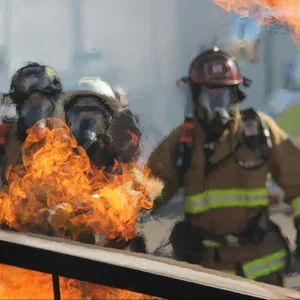
In today’s fast-paced commercial and industrial environments, fire safety is no longer an afterthought—it is a critical operational priority. According to the National Fire Protection Association (NFPA), U.S. fire departments respond to an average of 1.3 million fires each year, causing significant property damage and endangering lives. Fire Watch Guards statistics highlight the urgent need for preventive measures beyond traditional fire suppression systems.
Trained fire watch guards play a pivotal role in this preventive framework. Unlike automated alarms or sprinkler systems, human oversight can identify potential hazards in real-time and respond immediately. This proactive approach has been shown to reduce fire-related incidents by up to 40% in high-risk environments.
What Training Do Fire Watch Guards Receive to Ensure Maximum Safety?
Fire watch guards are not simply security personnel with a fire extinguisher—they undergo specialized training designed to tackle both prevention and emergency response. Comprehensive programs typically include:
- Fire hazard identification: Recognizing risks such as overloaded electrical circuits, combustible materials, and unsafe hot work practices.
- Use of firefighting equipment: Proficiency in fire extinguishers, hoses, and sprinkler system activation.
- Evacuation coordination: Leading occupants to safety and communicating with emergency services efficiently.
- Regulatory compliance: Ensuring adherence to OSHA and NFPA standards during high-risk operations.
Studies indicate that workplaces employing professionally trained fire watch personnel experience 50% fewer fire-related operational disruptions, underscoring the effectiveness of their specialized preparation.
How Do Fire Watch Guards Contribute to Preventive Safety Measures?
Prevention is the cornerstone of fire safety, and fire watch guards excel in monitoring environments where fire risks are heightened. Their responsibilities include:
- Continuous site monitoring: Maintaining vigilance in areas prone to sparks, welding, or chemical reactions.
- Identifying unsafe behavior: Alerting workers and management to practices that could increase fire risk.
- Routine inspections: Checking fire exits, alarm systems, and suppression equipment for readiness.
- Documentation and reporting: Providing detailed logs of observed hazards for continuous improvement.
Research shows that early detection and intervention can prevent up to 70% of industrial fires before they escalate, emphasizing the proactive value fire watch guards bring to any operation.
Why Is Human Oversight Crucial Even With Advanced Fire Systems?
Technological advancements like smoke detectors, heat sensors, and automated sprinklers have transformed fire prevention. However, these systems cannot anticipate human error or mechanical malfunctions in real-time. A 2023 NFPA survey revealed that over 25% of fires occurred in buildings with operational fire detection systems, highlighting the limitations of relying solely on technology.
Fire watch guards bridge this gap by providing:
- Immediate intervention: Acting on hazards before automated systems are triggered.
- Adaptive decision-making: Responding to unusual situations that machines cannot interpret.
- Communication with first responders: Ensuring a coordinated and rapid response during emergencies.
What Industries Benefit Most From Fire Watch Services?
While fire watch guards are valuable across the board, certain sectors show particularly high demand due to elevated risk factors. Key industries include:
- Construction and Renovation: Hot work activities like welding, cutting, and grinding significantly increase fire hazards. Data shows that construction sites account for 11% of non-residential fires annually.
- Manufacturing Plants: Facilities dealing with combustible materials, flammable liquids, or heavy machinery require continuous oversight.
- Warehousing and Logistics: Large storage areas, especially those holding textiles, paper, or chemicals, pose high-risk scenarios for fire spread.
- Healthcare and Laboratories: Sensitive environments with chemical reagents and electrical equipment benefit from trained personnel monitoring fire risks.
How Do Fire Watch Guards Improve Emergency Response Efficiency?
When prevention fails, rapid and coordinated emergency action becomes critical. Fire watch guards are trained to minimize losses and protect lives through:
- Early alert systems: Notifying internal teams and local fire departments instantly.
- Evacuation leadership: Guiding occupants to safety while avoiding panic.
- Fire suppression assistance: Using extinguishers and hoses effectively to contain small fires.
- Post-incident reporting: Providing detailed incident reports for future preventive strategies.
Statistics indicate that facilities with dedicated fire watch personnel reduce fire response times by up to 60%, resulting in lower property damage and fewer injuries.
What Are the Regulatory Requirements for Fire Watch Guards?
Fire watch services are often mandated under specific circumstances. According to NFPA 241 (Standard for Safeguarding Construction, Alteration, and Demolition Operations) and OSHA regulations:
- Fire watch personnel must be assigned when fire protection systems are impaired.
- Guards must be trained in both fire prevention and emergency response.
- Continuous monitoring and reporting protocols must be maintained during high-risk operations.
Compliance with these standards not only enhances safety but also protects companies from potential legal liabilities. In fact, non-compliance with fire safety regulations can result in fines exceeding $100,000, in addition to reputational damage.
How Do Fire Watch Guards Integrate With Technology?
While human expertise is crucial, technology significantly enhances fire watch capabilities. Modern fire watch operations often incorporate:
- Mobile reporting tools: Guards can log hazards and incidents in real-time for management review.
- Drones and surveillance cameras: Offering aerial or remote monitoring in large or complex sites.
- IoT sensors: Providing alerts about temperature spikes, smoke, or gas leaks directly to guards’ devices.
This integration ensures a multi-layered approach to fire safety, combining human judgment with technological precision.
Why Is Continuous Training Important for Fire Watch Personnel?
Fire risks evolve constantly due to new construction methods, materials, and industrial processes. Continuous training ensures that fire watch guards remain effective and informed. Programs may include:
- Refresher courses: Annual or biannual sessions to update skills.
- Simulation drills: Realistic fire scenarios to practice decision-making under pressure.
- Regulatory updates: Keeping up with changing fire codes and standards.
Companies that invest in ongoing training report a 30% higher efficiency in fire incident management, illustrating the tangible benefits of continuous professional development.
What Role Do Fire Watch Guards Play in Community Safety?
Beyond individual workplaces, fire watch guards contribute to broader community safety by preventing fires that could extend beyond property boundaries. Fires originating in industrial zones can quickly spread to residential areas, creating large-scale hazards. By mitigating these risks early, trained fire watch personnel help reduce:
- Local property damage
- Environmental harm from smoke and toxic chemicals
- Potential casualties in surrounding communities
How Do Companies Measure the Effectiveness of Fire Watch Services?
The impact of fire watch guards can be quantified through several metrics:
- Reduction in fire incidents: Comparing historical data before and after fire watch implementation.
- Response time improvement: Measuring the interval between hazard detection and intervention.
- Compliance adherence: Tracking adherence to OSHA and NFPA guidelines during operations.
- Employee safety perception: Surveys often indicate higher confidence and lower stress among workers in facilities with active fire watch services.
What Are the Costs and ROI of Hiring Fire Watch Guards?
While hiring trained fire watch guards incurs an upfront cost, the return on investment is often substantial. Consider:
- Average annual cost for fire-related damage in U.S. commercial buildings: $2.4 billion
- Average cost of professional fire watch coverage per site per month: $5,000–$8,000
When calculated against potential losses from uncontrolled fires, hiring trained fire watch personnel is not only cost-effective but also a strategic investment in risk management. Studies show that for every $1 spent on preventive fire safety measures, businesses can save up to $4 in potential damages and operational downtime.
Why Is Fire Watch Guard Service a Strategic Choice for Businesses?
Companies that prioritize fire watch services benefit in multiple ways:
- Enhanced workplace safety – protecting employees and visitors.
- Reduced property loss – containing fires before they escalate.
- Regulatory compliance – avoiding fines and legal repercussions.
- Operational continuity – minimizing downtime and production delays.
In a world where fire incidents can happen unexpectedly, having trained professionals on-site is a strategic advantage that ensures resilience, safety, and peace of mind.
Conclusion: Are Trained Fire Watch Guards Worth the Investment?
Absolutely. The evidence is compelling: from reducing fire incidents by nearly half to improving emergency response times by 60%, trained fire watch guards provide measurable value. Their ability to combine preventive vigilance with emergency readiness makes them indispensable in industries where fire risk is high.
As fire threats continue to evolve, the integration of human expertise, technological tools, and ongoing training ensures that organizations are not just compliant but genuinely safe. Businesses that adopt these services are making a proactive decision that protects assets, employees, and the broader community.
Ultimately, fire watch guards are more than a regulatory requirement—they are a strategic investment in safety, efficiency, and risk management.