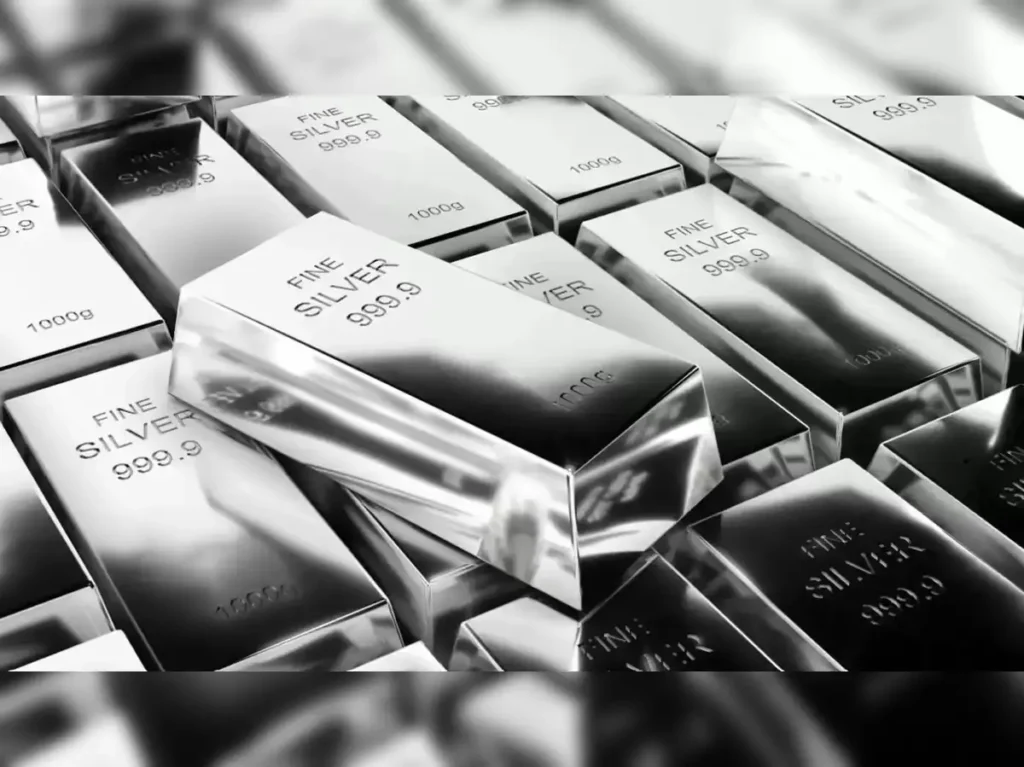
Silver prices surged to unprecedented levels on Tuesday, breaking the $70 per ounce ($70/oz) mark in global markets and triggering a corresponding spike in domestic Indian rates on the Multi Commodity Exchange (MCX). This bullish momentum reflects a potent combination of global demand, tightening supply, geopolitical worry, and expectations of looser monetary policy in 2026.
Historic Breakthrough Above $70/oz
For the first time in history, spot silver prices crossed $70/oz, a milestone that underscores the extraordinary rally the metal has experienced in 2025. Traders and investors watched as the white metal pushed past previous ceilings, driven by a mix of industrial demand and investment flows into safe-haven assets amid broader market uncertainties.
Commodities analysts note that this breakout is not merely technical but reflects structural tightness in the silver market. Inventories at major global hubs have shrunk sharply, and supply constraints—exacerbated by mining disruptions and reduced output—have added pressure to already strong price momentum.
MCX Silver Rates Surge in India
Mirroring global trends, silver futures on the MCX jumped sharply, with prices rising by around Rs 5,000 per kilogram, reaching fresh all-time highs. This domestic rally underscores how tightly Indian markets are tracking the international upswing in precious metals.
According to market reports, MCX silver contracts climbed above ₹2,16,000 per kilogram, a level that would have seemed improbable just months ago. Alongside silver, gold has also rallied, climbing to record prices as investors seek shelter from currency volatility and macroeconomic risks.
What’s Driving the Rally?
Several key drivers are behind silver’s impressive performance:
Robust Industrial Demand
Silver’s unique status as both a precious metal and a critical industrial input has bolstered its demand profile. It plays a crucial role in sectors such as solar energy, electric vehicles, and electronics—fields seeing rapid investment growth.
Strong Investment Flows
Investors, wary of equity volatility and currency fluctuations, have leaned into hard assets. Precious metals like silver and gold have benefited from inflows into exchange-traded funds (ETFs) and physical holdings as a hedge against inflation and market risk.
Geopolitical & Macro Pressures
Escalating geopolitical tensions, including strained global energy markets and sanctions regimes, have further amplified safe-haven demand for metals. Additionally, expectations that central banks—especially the U.S. Federal Reserve—may lower interest rates in 2026 have weakened the dollar, pushing dollar-priced commodities higher.
Supply Constraints
Supply side challenges, ranging from mining disruptions to limited inventories in major trading hubs, have contributed to the supply-demand imbalance supporting prices.
Investor Outlook & Risks
Despite the enthusiasm, analysts caution that precious metals like silver are inherently volatile. Prices can swing widely on shifts in monetary policy expectations, changes in industrial demand, or abrupt adjustments in investor sentiment.
Some market experts suggest that silver may continue to trend higher into early 2026, while others warn of potential consolidation if speculative fervor cools. Investors are advised to consider risk management strategies, including staggered buying or hedging, in light of the metal’s dynamic price action.
Conclusion
Silver’s historic breach of the $70/oz level and the sharp rise in MCX domestic prices reflect a rare and powerful commodity rally. Anchored by strong global demand, supply under-supply, and macroeconomic drivers, the white metal has emerged as one of the standout performers in 2025’s commodities arena. Whether this trend continues into 2026 remains a topic of keen interest for investors, traders, and industrial consumers alike.