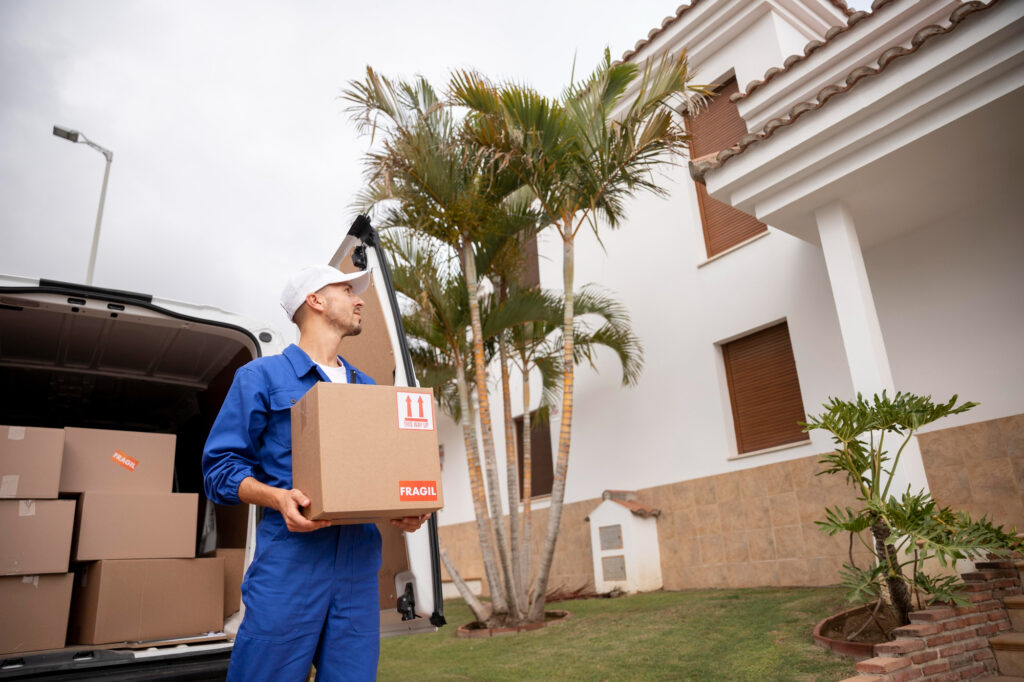
Relocating across cities or states can be a complex and demanding process, requiring careful planning and expert assistance. Long distance movers play a critical role in ensuring that transitions are smooth, secure, and stress-free. The choice of a reliable moving company can determine whether a move is seamless or filled with unexpected challenges. This article provides a detailed look at the long-distance moving industry, highlighting key services, operational standards, industry trends, and the factors that define excellence in professional moving services.
Understanding Long Distance Moving Services
Long distance moving differs significantly from local relocation due to the distance, logistics, and planning involved. We offer free storage for 30–60 days and free packing on hourly rates. On average, long distance moves cover more than 50 miles, often spanning hundreds or even thousands of miles. Research in the moving industry indicates that careful route planning, timing coordination, and specialized equipment are crucial for reducing delays and ensuring safe delivery.
Top-performing long distance movers offer comprehensive solutions that go beyond simple transportation. Services typically include packing and unpacking, fragile item handling, furniture disassembly and assembly, temporary storage, and vehicle transport. Industry data shows that companies offering a full spectrum of services report higher customer satisfaction rates, as clients appreciate the convenience and consistency of a single provider handling multiple moving tasks.
Reliability and Timeliness
Reliability is a defining characteristic of professional long distance movers. Statistics reveal that on-time delivery rates exceeding 95% correlate strongly with positive client reviews and repeat business. Effective companies utilize advanced fleet management systems, GPS tracking, and well-coordinated scheduling to maintain punctuality and reduce the risk of delays.
Timeliness is not just a convenience but also a financial consideration. Delayed deliveries can disrupt personal schedules, business operations, or temporary housing arrangements. Data from industry surveys indicate that households and businesses prioritize punctuality when selecting a long distance mover, highlighting its critical importance in maintaining trust and confidence.
Safety and Security of Belongings
The safety of transported items is a central concern in long distance moving. Companies adhering to standardized safety protocols significantly reduce the risk of damage or loss. Industry analysis shows that properly trained movers and the use of protective packing materials can lower the incidence of damaged items by up to 40%.
Long distance movers typically employ specialized equipment such as reinforced moving trucks, custom crates for fragile or high-value items, and secure fastening systems to ensure belongings remain stable during transit. Additionally, professional movers carry comprehensive insurance coverage, offering clients peace of mind in the rare event of an incident.
Employee safety also factors into service quality. Movers trained in proper lifting techniques, ergonomic handling, and safe transportation practices not only protect themselves but also contribute to smoother, more efficient moves. Companies with lower workplace injury rates often deliver higher overall service quality and reliability.
Cost Factors and Transparency
Cost considerations in long distance moving extend beyond the initial quote. Industry studies indicate that transparent pricing, which includes clear breakdowns of transportation, packing, and additional services, is highly correlated with client satisfaction. Companies providing detailed, upfront estimates reduce misunderstandings and foster trust.
Value in long distance moving is also tied to efficiency. Well-organized movers minimize the likelihood of damage, delays, or repeated trips, which can ultimately lower total relocation costs. Research suggests that clients who invest in professional movers experience a measurable reduction in unplanned expenses, such as replacement of damaged items or temporary storage fees.
Technology and Innovation in Moving
Modern long distance movers leverage technology to improve efficiency and customer experience. GPS tracking allows clients to monitor the location of their shipment in real time, while digital inventory management provides accurate records of items being transported. Surveys show that clients who use movers offering digital tools report significantly higher levels of satisfaction, as transparency and predictability reduce stress during the relocation process.
Other innovations include route optimization software, which minimizes fuel consumption and delivery times, and customer portals for scheduling, payment, and communication. Companies integrating technology into their operations consistently demonstrate faster response times, better logistical coordination, and improved overall service quality.
Specialized Services and Handling
Certain items require additional care during long distance moves. Pianos, artwork, antiques, and delicate electronics demand expertise beyond standard moving techniques. Statistics indicate that movers trained in specialty handling report fewer incidents of damage, reinforcing the importance of professional skill in safeguarding valuable possessions.
Additionally, long distance movers often offer temporary storage solutions, which can be critical when there are delays in home availability. Data shows that combined moving and storage services improve customer satisfaction, as they provide seamless solutions for complex relocation scenarios.
Customer Communication and Support
Effective communication is a key differentiator in the long distance moving industry. Surveys reveal that clients value timely updates, clear instructions, and responsive support more than almost any other factor. Companies that maintain open lines of communication and proactively inform clients of changes or milestones experience higher levels of trust and positive reviews.
Customer support teams trained to handle concerns efficiently and courteously significantly enhance the moving experience. Feedback often highlights the importance of knowledgeable staff who can answer questions about insurance, scheduling, or special handling requirements, demonstrating that human expertise remains critical alongside technology.
Environmental Responsibility
Sustainable practices are increasingly important in the moving industry. Companies that adopt fuel-efficient vehicles, recyclable packing materials, and optimized routing not only reduce environmental impact but also appeal to eco-conscious clients. Research shows that nearly 60% of consumers consider sustainability an important factor when choosing a service provider, making environmentally responsible practices both socially and commercially advantageous.
Industry Standards and Accreditation
Professional recognition and certification provide a benchmark of reliability and quality. Accredited movers adhere to rigorous standards for safety, insurance, and operational excellence. Data indicates that clients working with certified movers report fewer issues and higher satisfaction, underlining the value of third-party verification in ensuring consistent, high-quality service.
Trends and Future Outlook
The long distance moving industry continues to evolve, driven by technology, client expectations, and demographic shifts. Trends such as customizable moving packages, contactless service options, and smart home logistics are reshaping how companies deliver relocation solutions. Statistics show that movers who adopt innovative practices and modernize operations often see higher client retention rates and stronger market positioning.
Additionally, the rise of remote work has contributed to an increase in long distance relocations, as individuals and families seek more flexibility in choosing where to live. This trend emphasizes the growing importance of professional movers capable of handling complex, interstate moves with efficiency and precision.
Conclusion
Selecting the right long distance moving company is a critical decision that impacts both the efficiency and emotional experience of relocation. Professional movers differentiate themselves through reliability, safety, transparent pricing, comprehensive services, and technological innovation. Statistical insights highlight the importance of trained personnel, robust operational processes, and effective communication in achieving high levels of client satisfaction.
Ultimately, the best long distance movers transform what can be a stressful, uncertain process into a well-organized, predictable, and positive experience. By combining professional standards, innovative technology, and a client-focused approach, these companies ensure that each relocation is executed with care, precision, and peace of mind. A thoughtfully chosen moving company does more than transport belongings—it delivers confidence, convenience, and an exceptional moving experience from start to finish.