Choosing the right toilet is one of the most important decisions when designing or upgrading a bathroom. In India, options like the traditional Indian toilet and the western-style Indian commode each offer distinct benefits, comfort levels, and maintenance requirements. The choice impacts daily convenience, hygiene, and even long-term durability. Understanding the key differences between these two styles can help you make an informed decision that suits your space, lifestyle, and family needs.
Understanding the Basics
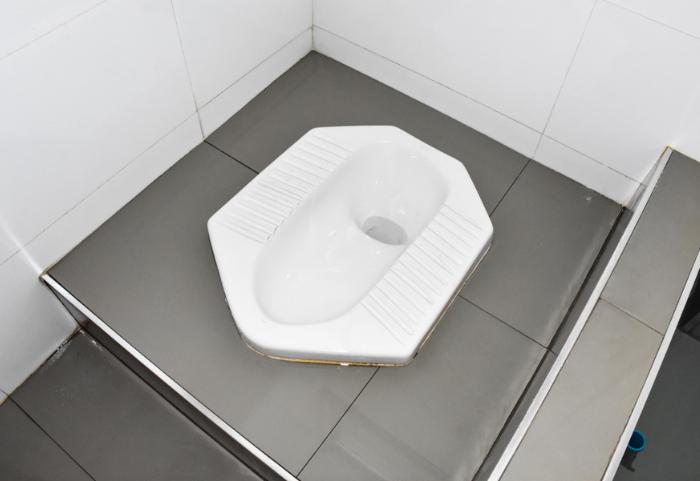
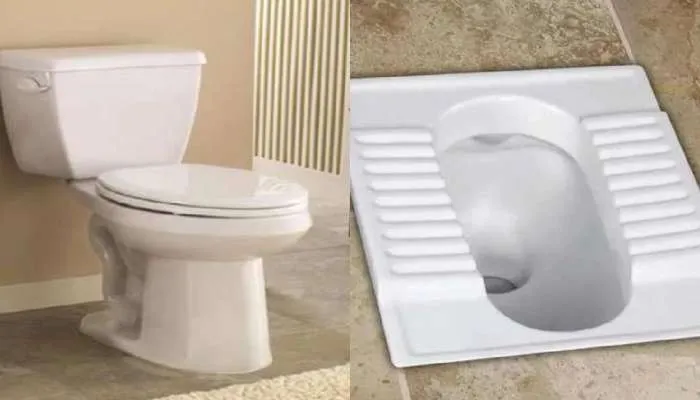
An Indian toilet is a traditional squat-style fixture installed at floor level, where users squat over the pan rather than sit. This design has been a part of Indian homes for generations and remains common in independent houses, rural areas, and some urban residences. Its key features include floor-level installation, a squatting posture, a simple structure with fewer parts, and, often, a bucket flush or a wall-mounted cistern.
An Indian commode, on the other hand, is a western-style seated toilet adapted for Indian bathrooms. It is raised from the floor and designed for sitting, making it increasingly popular in apartments, villas, and modern homes. Key characteristics include a raised bowl with a seat and lid, floor-mounted or wall-mounted options, a seated posture, and compatibility with health faucets and other modern accessories.
Indian Toilet vs Indian Commode: Core Differences
When choosing between an Indian toilet and an Indian commode, understanding their core differences can help you select the option that best suits your needs.
| Feature | Indian Toilet | Indian Commode |
| Posture | Squatting | Sitting |
| Installation | Floor-level | Raised (floor-mounted or wall-mounted) |
| Structure | Simple, fewer parts | More components, including the seat and lid |
| Flush System | Bucket flush or wall-mounted cistern | Compatible with health faucets and modern flush systems |
| Common Usage | Independent houses, rural homes | Apartments, villas, modern homes |
| Maintenance | Easy to clean, minimal parts | Slightly more maintenance due to additional components |
Both options serve the same basic purpose, but your choice depends on your comfort preferences, available space, and the type of bathroom setup you have.
Flooring Matters More Than You Think
Whether you choose an Indian toilet or an Indian commode, flooring plays a vital role in safety and ease of maintenance. Squat toilets often leave floors wetter after use, while commodes usually keep water more contained, making tiles even more important.
Slip-resistant flooring with a textured or matte finish helps improve grip and makes daily cleaning safer. This is where reliable bathroom-focused brands come into the picture. Brands like Simpolo Tiles & Bathware offer thoughtfully designed tiles that focus on traction, moisture resistance, and easy cleaning, helping maintain hygiene while ensuring long-term performance in bathrooms.
Cost and Installation Factors
The budget and construction stage can influence your choice.
Indian Toilet
- Lower initial cost
- Simple plumbing
- Easier installation in ground-floor bathrooms
Indian Commode
- Higher upfront cost
- Requires proper plumbing alignment
- Wall-mounted versions need stronger wall support
If you are renovating an existing bathroom and switching from a squat pan to a commode, additional civil work may be required.
Design and Modern Living
Modern bathroom design leans toward clean lines, minimal layouts, and well-defined wet zones. In such settings, the Indian commode fits in more naturally, complementing wall-mounted fixtures, modern vanities, shower enclosures, and concealed cisterns. Its form aligns well with contemporary interiors and organised bathroom layouts.
At the same time, many homeowners continue to choose Indian toilets for secondary bathrooms, where familiarity and everyday practicality take priority. This balance allows homes to meet both modern design preferences and traditional comfort needs.
Maintenance and Long-Term Use
Think beyond installation and consider daily use.
- Indian toilets have fewer parts, so there is less that can break or loosen.
- Indian commodes need regular cleaning of seats, hinges, and fittings.
Durability also depends on ceramic quality and surrounding surfaces. High-quality tiles and proper slope design make cleaning easier for both options.
Which One Should You Choose?
Choosing the right option comes down to how your bathroom is used and what feels most comfortable for your household.
- An Indian toilet works well if you are used to a squatting posture, prefer a traditional layout, and want a simple, low-maintenance solution.
- An Indian commode is a better fit if you value ease of use, modern aesthetics, and compatibility with contemporary bathroom fittings.
- The age and mobility of users should be key factors in the decision, as seated commodes are generally more convenient for elders and children.
- It is also worth considering water usage and flooring, especially in bathrooms with frequent use.
Both choices are reliable and functional; selecting the right one depends on your comfort, space, and everyday routine.
Conclusion
The choice between an Indian toilet and an Indian commode should reflect how your bathroom is used daily. Personal comfort, ease of maintenance, available space, and the needs of all family members matter more than trends alone. When these factors are combined with proper flooring and quality fittings, both options can deliver a hygienic, functional bathroom. The right decision feels natural to use, fits your layout well, and continues to serve your household comfortably over time.