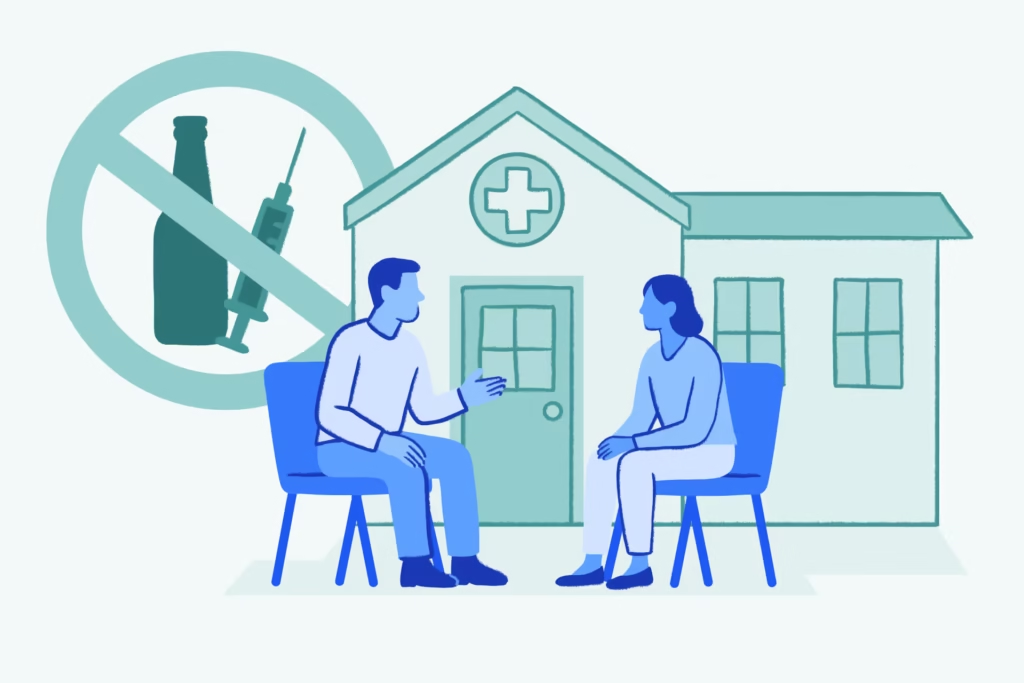
Are you seeking effective support for substance abuse in Indiana? Finding the right rehab center is critical for successful recovery. Leading indiana rehabs offer personalized treatment plans designed to address the unique needs of each individual, combining medical expertise, therapy, and ongoing support to foster lasting sobriety.
Why Is Personalized Treatment Important in Rehab?
Substance abuse affects everyone differently. Factors such as the type of substance, duration of use, underlying mental health conditions, and personal circumstances all influence recovery. A one-size-fits-all approach rarely works. Personalized treatment ensures that interventions are tailored to the individual’s specific needs, increasing the likelihood of long-term success.
Rehabs in Indiana focus on comprehensive assessments to create individualized plans. These plans may include detoxification, behavioral therapy, group sessions, and aftercare support. By addressing both the physical and psychological aspects of addiction, patients are more likely to achieve sustained recovery.
What Types of Programs Are Offered in Indiana Rehabs?
Indiana rehabs provide a range of programs to suit different needs and stages of recovery. Residential programs are ideal for individuals requiring intensive support. Patients live at the facility, receiving round-the-clock care, structured schedules, and continuous access to therapists and medical professionals.
Outpatient programs offer flexibility for individuals who cannot commit to residential treatment due to work, family, or other responsibilities. These programs allow patients to attend therapy sessions and medical appointments while maintaining daily routines.
Specialized programs also exist for adolescents, seniors, and those with dual diagnoses, where addiction coexists with mental health disorders. By focusing on specific populations, these programs can offer more targeted support and address unique challenges.
How Do Rehabs Begin the Recovery Process?
Recovery often starts with a thorough assessment. Indiana rehabs conduct medical evaluations, psychological assessments, and interviews to understand the individual’s history, substance use patterns, and overall health. This helps identify underlying causes of addiction, which may include trauma, chronic stress, or mental health disorders.
Detoxification is usually the first step for individuals with physical dependence. Under medical supervision, patients safely eliminate substances from their system, managing withdrawal symptoms in a controlled environment. Detox is a crucial foundation for therapy, allowing patients to engage in treatment with a clearer mind and stabilized body.
What Role Does Therapy Play in Recovery?
Therapy is the cornerstone of any effective rehab program. Indiana rehabs provide a variety of evidence-based therapies, including cognitive-behavioral therapy (CBT), dialectical behavior therapy (DBT), and motivational interviewing. These approaches help patients understand triggers, develop coping strategies, and change harmful behaviors.
Group therapy sessions foster community and support. Sharing experiences with others facing similar challenges can reduce feelings of isolation and provide encouragement. Peer support is a critical factor in long-term recovery, creating a network of accountability and understanding.
Family therapy is another essential component. Addiction often affects loved ones, and involving families in the treatment process helps repair relationships, improve communication, and build a support system for ongoing recovery.
Are Holistic Approaches Included in Rehab Programs?
Yes. Many Indiana rehabs incorporate holistic approaches alongside traditional therapies. Mindfulness practices, yoga, meditation, and art therapy help patients reconnect with their bodies, reduce stress, and manage cravings. Holistic treatments address emotional and spiritual health, complementing medical and psychological interventions.
Exercise and nutrition programs also play a significant role. A healthy lifestyle supports physical recovery, improves mood, and builds resilience against relapse. Personalized wellness plans ensure that patients are equipped to maintain balance and health beyond rehab.
How Do Rehabs Handle Co-Occurring Disorders?
Dual diagnosis programs are critical for individuals with co-occurring mental health disorders such as anxiety, depression, or PTSD. Ignoring these conditions can hinder recovery, as untreated mental health issues may trigger relapse.
Indiana rehabs integrate mental health care with addiction treatment, ensuring that patients receive therapy, medication management, and support for both conditions. By addressing the whole person, rehabs improve treatment outcomes and reduce the risk of relapse.
Why Is Aftercare Planning Essential?
Recovery does not end when a patient leaves the facility. Aftercare planning is a vital component of successful long-term sobriety. Indiana rehabs create comprehensive aftercare plans that may include outpatient therapy, support group participation, sober living arrangements, and relapse prevention strategies.
Follow-up care ensures that patients continue to receive guidance and support as they transition back to daily life. Regular check-ins and continued therapy help maintain motivation, reinforce coping skills, and address challenges before they escalate.
How Do Rehabs Support Long-Term Recovery?
Long-term recovery requires ongoing commitment. Indiana rehabs emphasize education, life skills development, and community engagement to equip patients for success. Programs may include vocational training, academic support, and social skills development to help individuals reintegrate into society.
Support groups, alumni programs, and mentorship opportunities provide continued encouragement. Connecting with others who have successfully maintained sobriety reinforces accountability and provides inspiration for staying on track.
Are Personalized Rehabs More Effective Than Standard Programs?
Research shows that individualized treatment plans significantly improve outcomes. By tailoring therapy, medical care, and lifestyle interventions to each patient, personalized rehabs address specific needs and challenges. This reduces relapse risk and promotes sustainable recovery.
Standard programs may overlook unique factors such as trauma history, co-occurring disorders, or personal triggers. Personalized approaches recognize that every patient’s journey is different, providing a higher likelihood of success and improved quality of life.
What Should You Consider When Choosing a Rehab in Indiana?
Several factors are important when selecting a rehab:
- Licensing and Accreditation: Ensure the facility meets state regulations and maintains high standards of care.
- Treatment Options: Look for programs that offer both medical and therapeutic interventions, including holistic approaches if desired.
- Staff Expertise: Qualified medical professionals, therapists, and support staff are essential for safe and effective care.
- Aftercare Support: A strong aftercare plan can make a critical difference in long-term recovery.
- Patient Reviews and Success Rates: Testimonials and outcomes provide insight into the quality of care and program effectiveness.
How Can Families Get Involved in the Recovery Process?
Family involvement is a powerful tool in recovery. Rehabs encourage family members to participate in therapy sessions, attend educational workshops, and support lifestyle changes. A strong, informed support system helps patients navigate challenges, manage triggers, and celebrate milestones in their recovery journey.
Why Are Indiana Rehabs Committed to Individual Success?
Rehabs in Indiana understand that addiction is a complex, multifaceted condition. They are committed to providing patient-centered care that addresses physical, emotional, and psychological needs. By focusing on individualized treatment, holistic approaches, and ongoing support, these facilities foster sustainable recovery and improved well-being.
What Steps Can You Take to Begin Treatment?
Starting the recovery journey begins with reaching out for help. A consultation with a rehab center allows assessment of the individual’s needs, discussion of treatment options, and planning of a personalized program. Early intervention increases the chances of successful recovery and reduces the risk of complications.
Support is available for families and individuals throughout the admission process. From initial evaluation to aftercare, Indiana rehabs provide guidance, resources, and compassionate care every step of the way.
How Do Rehabs Address Relapse Prevention?
Relapse is a common challenge in recovery, but proactive measures can minimize risk. Personalized plans include coping strategies, stress management techniques, and ongoing support networks to help patients navigate triggers.
Education on lifestyle adjustments, mindfulness practices, and community engagement further strengthens resilience. By teaching patients to recognize warning signs and seek help promptly, rehabs empower individuals to maintain long-term sobriety.
Why Choose a Leading Indiana Rehab for Treatment?
Choosing a leading rehab ensures access to comprehensive care, experienced professionals, and proven treatment methods. Indiana rehabs prioritize patient well-being, safety, and recovery success. Through personalized plans, holistic support, and aftercare services, they provide a strong foundation for lifelong sobriety.
By selecting a rehab that values individualized care, patients gain more than just treatment—they gain tools, guidance, and a supportive environment to reclaim their lives and build a healthier future.
How Can You Take the First Step Toward Recovery?
The first step toward recovery is reaching out for professional help. Scheduling a consultation with a reputable Indiana rehab allows for assessment, personalized planning, and the initiation of a treatment program designed to address the unique challenges of substance abuse.
With expert guidance, compassionate support, and tailored treatment plans, individuals in Indiana can overcome addiction, restore their health, and achieve long-term recovery through the services of leading rehabs dedicated to personalized care.