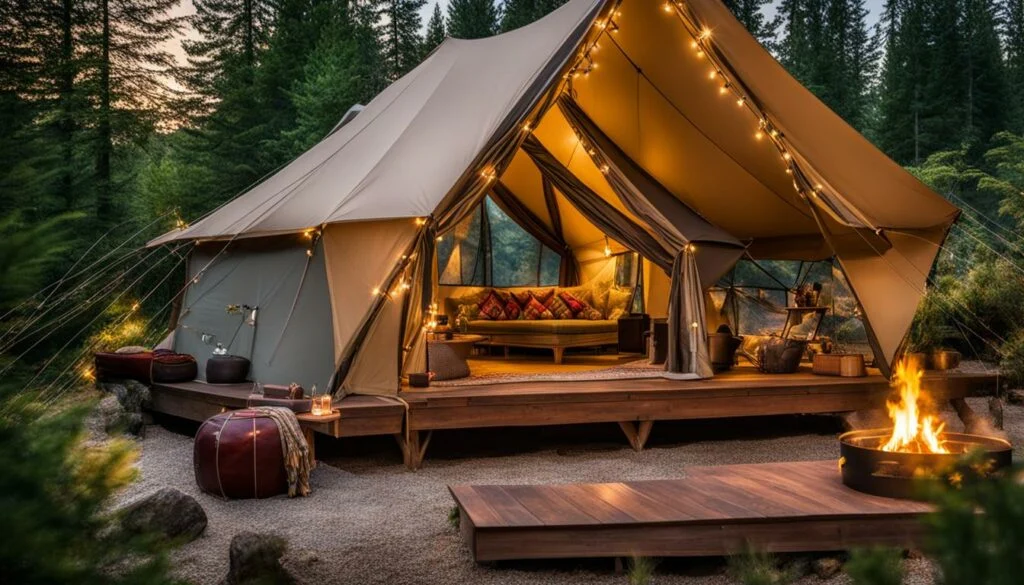
As urban life becomes increasingly fast-paced, many people are seeking ways to reconnect with nature without sacrificing comfort. The concept of glamping—glamorous camping—has emerged as a popular solution, offering a unique blend of outdoor adventure and modern amenities. For residents and visitors of Texas, glamping near Houston has become a highly sought-after experience, providing an accessible escape from city life while enjoying curated outdoor accommodations. This trend is reshaping the hospitality and leisure industry, driven by shifting consumer preferences and technological advancements.
What Is Driving the Popularity of Glamping Near Houston?
Several factors contribute to the growing demand for glamping in the Houston area. First, the convenience of proximity plays a major role. Unlike traditional camping trips that require extensive planning and travel, glamping sites near Houston allow urban dwellers to enjoy nature with minimal disruption to their schedules. Second, lifestyle trends emphasizing wellness, digital detox, and experiential travel have heightened interest in outdoor leisure activities. Finally, social media has amplified the appeal, with picturesque settings and curated experiences often shared online, enticing more visitors to explore glamping options.
According to industry statistics, the global glamping market is projected to grow at a compound annual growth rate (CAGR) of over 12% between 2024 and 2030. Within the U.S., Texas represents a significant segment, with a noticeable concentration around metropolitan hubs like Houston, where demand for weekend escapes and luxury outdoor experiences is rising steadily.
What Types of Glamping Accommodations Are Available?
Glamping encompasses a diverse range of accommodations, each designed to merge comfort with natural surroundings. Common options include:
- Luxury Tents: Equipped with full beds, electricity, climate control, and private bathrooms, these tents provide an immersive outdoor experience without compromising comfort.
- Cabins and Treehouses: Ideal for families or groups, these structures often include kitchenettes, lounge areas, and private decks overlooking scenic landscapes.
- Yurts: Inspired by traditional Mongolian dwellings, yurts combine circular layouts with modern amenities, offering unique interior designs and ample space.
- Airstreams and Tiny Homes: Mobile and stylish, these units allow guests to enjoy modern design aesthetics alongside natural surroundings.
Local data shows that luxury tents and cabins account for the majority of bookings near Houston, highlighting consumer preference for accommodations that provide privacy, comfort, and a strong connection to nature.
Who Is Choosing Glamping and Why?
Demographically, glamping attracts a wide range of visitors. Young professionals aged 25-40 represent a significant portion of the market, motivated by weekend getaways, social experiences, and digital detox opportunities. Families also account for a growing share, seeking child-friendly environments that offer safe, structured activities in natural settings. Retirees and older adults are drawn to glamping for its low-maintenance nature compared to traditional camping, allowing them to enjoy nature without strenuous preparation.
Behavioral insights indicate that glampers prioritize experiences over traditional lodging features. Activities such as guided nature walks, kayaking, stargazing, and farm-to-table dining are highly valued. Surveys suggest that over 70% of glamping guests choose sites that offer unique experiences alongside luxurious accommodations, reflecting the experiential economy’s influence on leisure choices.
What Amenities Are Most Valued in Glamping?
Modern glamping sites emphasize amenities that enhance comfort while maintaining an authentic connection with the outdoors. Popular features include:
- Private Bathrooms and Hot Showers: Eliminating the need to share facilities is a key factor in guest satisfaction.
- Electricity and Wi-Fi Access: While glamping promotes a break from digital life, selective connectivity ensures convenience and safety.
- Climate Control: Heating and air conditioning allow stays across different seasons without discomfort.
- Outdoor Entertainment Spaces: Fire pits, hammocks, and patio areas encourage social interaction and relaxation.
- Culinary Options: On-site restaurants, meal delivery, or fully equipped kitchens cater to diverse dietary preferences and enhance the guest experience.
Analysis of guest reviews indicates that the combination of comfort, scenic views, and curated activities drives repeat visits and positive recommendations.
How Are Glamping Sites Near Houston Strategically Located?
The location of glamping accommodations plays a crucial role in their appeal. Sites near Houston often leverage proximity to natural attractions, including state parks, lakes, and forested areas. Accessibility is also essential; most sites are within a 1–2 hour drive from the city, allowing for weekend stays without extensive travel.
Recent geographic trends reveal that areas northeast and northwest of Houston have seen the highest concentration of glamping developments. This pattern aligns with demand for secluded environments that maintain ease of access, balancing the desire for privacy with the practicality of urban proximity.
What Are the Economic Impacts of Glamping Near Houston?
The economic implications of glamping extend beyond accommodation revenue. Local economies benefit through increased spending on food, outdoor recreation, transportation, and local attractions. Industry estimates suggest that each glamping visitor contributes an average of $200–$300 per weekend to surrounding communities, a significant boost to small businesses and tourism-dependent areas.
Moreover, glamping operations often create seasonal employment opportunities in site management, hospitality services, maintenance, and guided activities. The rise in luxury glamping has also spurred related industries, such as eco-friendly construction, outdoor furniture, and specialty food production.
What Are the Environmental Considerations?
Sustainability is increasingly critical in outdoor hospitality. Glamping near Houston emphasizes eco-conscious practices, including solar power, rainwater harvesting, composting toilets, and minimal-impact site designs. Many operators also engage in land conservation and wildlife protection initiatives, aligning with the growing consumer preference for responsible tourism. Studies suggest that environmentally focused sites see higher guest satisfaction rates and stronger brand loyalty.
What Trends Are Emerging in the Glamping Industry?
Several emerging trends indicate the evolving nature of glamping:
- Technology Integration: Smart locks, app-based booking, and digital concierge services enhance convenience and guest control.
- Themed Experiences: Sites offering wellness retreats, yoga, culinary workshops, and art-based programming attract niche audiences.
- Pet-Friendly Options: Allowing pets has become a key differentiator, as travelers increasingly consider their animals part of the family.
- Extended Stay Packages: Longer stays with bundled activities cater to remote workers and those seeking immersive nature experiences.
Statistical projections suggest that these trends will drive continued growth in the Houston glamping market, especially as younger travelers prioritize unique and customizable experiences.
How Do Guests Choose Glamping Sites?
Research on consumer decision-making highlights several key factors:
- Location and Accessibility: Proximity to urban centers, natural attractions, and ease of travel remain primary considerations.
- Amenities and Comfort: Modern conveniences alongside authentic outdoor experiences are highly influential.
- Pricing and Packages: Flexible pricing options and value-added packages, such as guided activities, enhance appeal.
- Online Reviews and Social Proof: Positive testimonials, high ratings, and visually engaging content strongly influence booking decisions.
Data from booking platforms indicates that sites offering unique, high-quality accommodations with curated experiences consistently achieve higher occupancy rates and guest satisfaction.
What Challenges Do Glamping Operators Face?
Despite its growth, the glamping sector faces challenges, including:
- Seasonality: Demand fluctuates with weather patterns, requiring strategic planning and pricing models.
- Regulatory Compliance: Zoning, safety, and environmental regulations must be navigated carefully.
- Operational Costs: Maintaining high standards of luxury outdoors requires significant investment in infrastructure and staff.
- Market Competition: Increasing interest attracts new entrants, making differentiation essential.
Operators who proactively address these challenges, focusing on sustainability, innovation, and guest experience, are more likely to maintain long-term success.
What Does the Future Hold for Glamping Near Houston?
The outlook for glamping near Houston is promising. Market analysts predict steady growth as demand for experiential travel continues to rise. Key drivers include:
- Expansion of eco-friendly and themed experiences.
- Integration of technology for enhanced guest services.
- Increased appeal to domestic tourists seeking short getaways.
- Growing interest from international visitors exploring Texas.
Additionally, collaborations between glamping operators and local tourism boards, wellness programs, and adventure activity providers are expected to enhance the overall appeal, positioning Houston as a hub for accessible yet luxurious outdoor recreation.
In conclusion, glamping near Houston represents a dynamic convergence of comfort, adventure, and experiential travel. It caters to diverse demographics, emphasizes sustainability, and stimulates local economies. As lifestyle preferences continue to evolve, glamping is likely to remain a significant component of the leisure and hospitality industry, offering urban residents and visitors an unparalleled opportunity to reconnect with nature without compromising modern comforts.