Indian kitchens are changing, and new appliances are introduced each year, tempting several families. Among the topmost latest tools in the kitchen are induction cooktops. It looks modern, heats quickly, and has quite a positive promotion all around, the future of cooking.
Yet when you walk into most homes, you only find that the centerpiece in the kitchen is still an LPG gas stove. Even households that have gone ahead and bought induction cooktops still believe gas is their first ally in daily meal preparation. Not only about habit, but also control, reliability, flexibility, and aptness to be used in Indian recipes.
This comprehensive guide describes why the tradition continues to hold ground and what one must consider before taking a complete plunge into an induction cooking experience.
Heat Control Fit for Indian Cooking Style
Indian food is not cooked at one constant temperature level. It starts with quite high heat and is left to simmer away afterward. For instance:
- Tempering spices
- Fry onions till golden
- For tawa roti and paratha
- Reducing gravies slowly
- Preparation of dal with long simmering
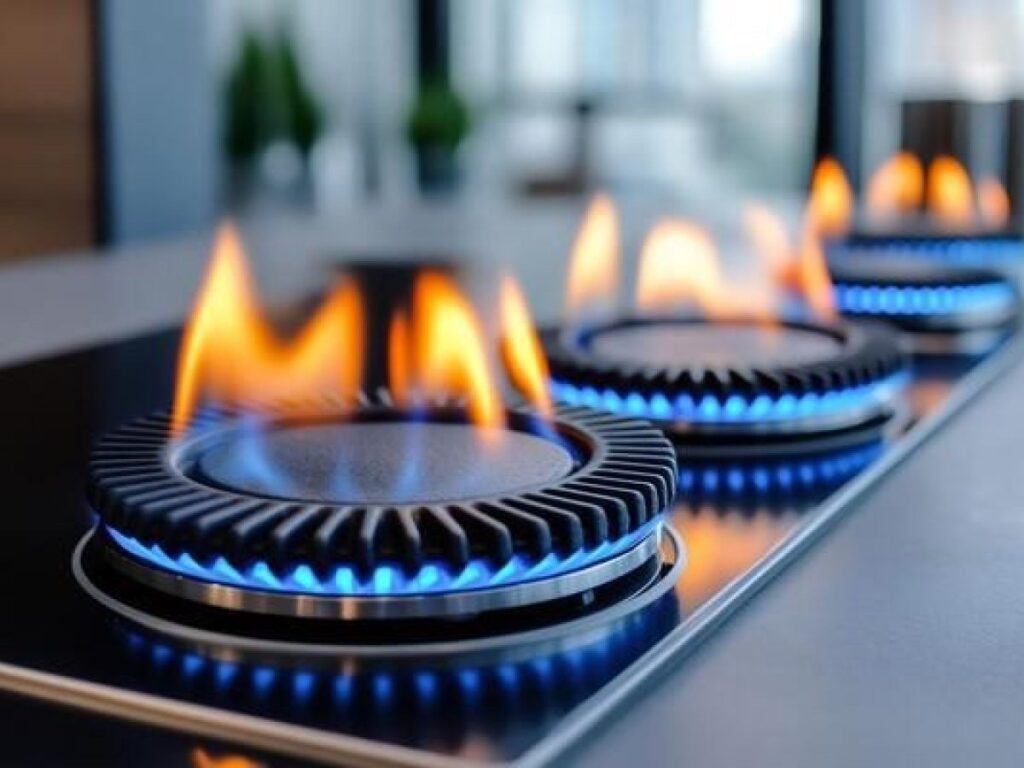
With an LPG gas stove, the cook practically instantaneously adjusts the flame-the changes are purely visual. A very small turn of the knob increases and decreases the intensity of the flame before one’s very eyes. One can practically see that flame moving up and down and react in real-time with it.
Inductions also have their levels preset, usually. Adjustments occur in stages, which sometimes could feel a bit restricted. For example, when simmering a dish lightly, the heat may stretch from too low to too high. Experienced cooks can find that indeed, but they do not get the finer control over that which, they argue, makes an impact on taste and texture.
Works with Every Kind of Utensils
Most people in India have been collecting utensils generally collected for ages now.
Pressure cookers, aluminum pots, stainless steel pans, iron tawas, kadais, biryani vessels, and clay pots-these all work fine with an LPG gas stove.
Induction cooktops require, however, flat-bottomed utensils with magnetic bases. If the same does not comply, it does not heat at all. Families may therefore need to:
- Replace existing utensils
- Buy new compatible cookware
- Spend extra without real benefit
For many households, this creates unnecessary cost. Gas cooking allows the use of both older and newer cookware without worrying about compatibility.
Keeps Working During Power Cuts
Power supply in many regions can still be unpredictable. In such cases, depending only on electric cooking becomes risky. A gas stove works independently of electricity. Cooking can continue without interruption, even during outages.
In contrast, when power fails, induction stops working immediately. Meals get delayed. Housewives, elderly users, and working individuals all place a premium on reliability. Cooking whenever necessary is a very practical requirement, not a luxury.
Supports High Heat for Large Quantities
Intense heat is always created by Indian cooking. Generally, it is deep-frying, charring, roasting, and rapid stir-frying. High heat is most handy for occasions when you cook for festivals, large families, or guests.
On flame cooking:
- Heat spreads across the utensil base
- Large vessels handle stress better
- Food browns evenly
- Oil reaches the right temperature faster
An LPG gas stove makes it easier to manage these needs. Induction can heat fast, but sometimes struggles with heavy, round-bottomed, or oversized cookware. For everyday Indian meals, gas remains more adaptable.
Easier Repair and Long-Term Maintenance
Gas stoves are simple in design. If something stops working, most local technicians can repair it quickly. Parts are widely available and usually affordable.
Induction cooktops have sensitive internal circuits and touch panels. If they fail, specialized service is needed. Repairs may take time and cost more than expected. In some cases, replacing the entire unit becomes the only option.
Families that want predictable maintenance tend to prefer gas systems for their longer usable life and easy servicing.
Better suited for diverse regional dishes
India has very different cooking traditions from region to region. Tandoor-style breads, slow dum preparations, seafood curries, steamed dishes, and stir-fried snacks all require different heat techniques.
Direct flame cooking supports:
- Clay pot cooking
- Slow thickening of sauces
- Direct roasting on flame
- Gentle simmering for hours
These methods are difficult to replicate on induction without compromise. For cooks who value traditional taste, gas enables authenticity.
Cost and Energy Considerations
The cost of electricity and gas both fluctuate, but many households feel more control with cylinders. Usage is visible, predictable, and easier to plan. Families know when a refill is needed and can schedule it.
Induction depends on power tariffs that may rise. In areas with unstable supply, additional costs for power backups may also arise. When looked at over several years, many households conclude that gas remains more economical for their style of cooking.
A Practical Mix: Induction Plus Gas
The conversation should not always be about choosing one system and rejecting the other. Many families now use both. Induction is helpful for quick boiling, reheating, and light cooking. Gas is preferred for main meals, frying, and recipes needing more control.
This blended approach delivers convenience without losing flexibility. Instead of replacing everything at once, households can build kitchens that serve real-life needs.
Conclusion
Induction is modern and useful, and it will keep improving. But for most Indian homes today, the LPG gas stove leads because it supports varied recipes, works with all utensils, and stays dependable in every situation. It fits the way Indian families cook daily and gives cooks the confidence to prepare everything from simple meals to festive feasts.
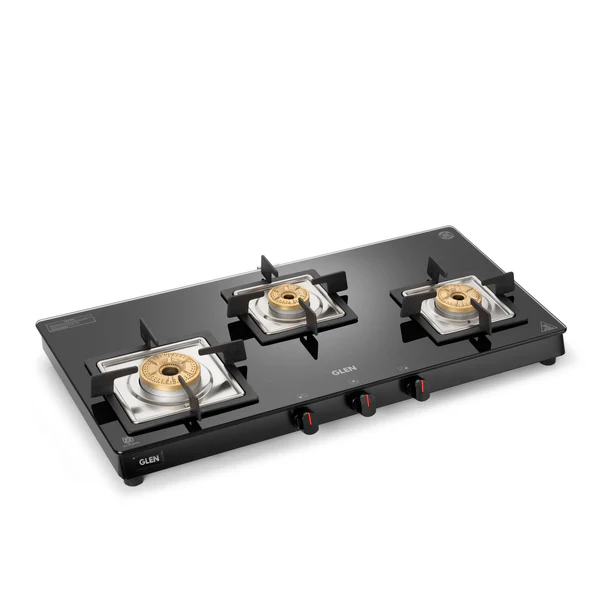
For those evaluating new kitchen upgrades, it makes sense to invest carefully and choose solutions that last. Glen Appliances designs products that understand genuine cooking requirements rather than chasing trends. Many families find that smart decisions, along with trusted options from Glen Appliances, help them build kitchens that are efficient, safe, and comfortable for years.