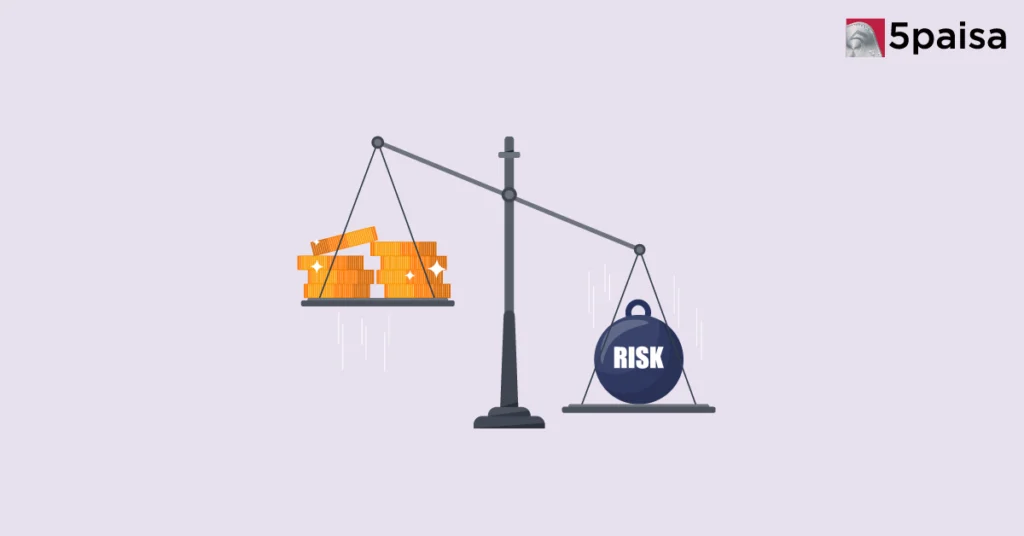
Margin Trading Facility (MTF) has become a widely discussed feature in modern trading, allowing market participants to take positions by partially funding trades and borrowing the remaining amount from a broker. While it enhances buying capacity, understanding whether MTF is safe requires a clear view of its structure, associated risks, and operational mechanisms.
This article outlines the risks every trader should know before using leverage through MTF, helping build awareness based on factual and process-driven insights.
What is MTF in Stock Market Context
MTF (Margin Trading Facility) enables traders to purchase securities by paying only a portion of the total trade value, with the broker funding the rest. The borrowed amount is subject to interest and regulatory conditions.
To estimate margin requirements and understand leverage exposure, tools like an MTF Calculator help in evaluating position size and funding structure before executing trades.
Is MTF Safe? Understanding the Core Perspective
The safety of MTF depends on how it is used and the awareness of its risks. MTF is a structured facility governed by regulatory guidelines, but it introduces leverage, which can amplify both gains and losses.
Therefore, assessing whether MTF is safe requires understanding its operational risks rather than viewing it as inherently safe or unsafe.
Key Risks Associated with Margin Trading Facility (MTF)
1. Leverage Risk
Leverage allows traders to control larger positions with limited capital. However:
- Losses can exceed the initial margin
- Small market movements can significantly impact positions
- Capital exposure increases beyond owned funds
This makes leverage one of the primary risks in MTF.
2. Margin Calls and Liquidation Risk
If the value of securities falls below a certain threshold:
- Brokers may issue margin calls
- Additional funds may be required to maintain positions
- Failure to meet margin requirements can lead to forced liquidation
This can result in unplanned closure of positions.
3. Interest Cost on Borrowed Funds
MTF involves borrowing funds from the broker, which incurs interest. Key considerations include:
- Interest accumulates daily
- Holding positions for longer periods increases cost
- Returns may be impacted by financing charges
Using an MTF Calculator can help estimate these costs in advance.
4. Market Volatility Risk
Market fluctuations directly affect leveraged positions. In volatile conditions:
- Price swings can be rapid
- Margin requirements may change
- Positions may become difficult to manage
Volatility increases the uncertainty associated with MTF.
5. Concentration Risk
Using MTF to take large positions in a single stock can increase exposure to specific risks:
- Company-specific developments
- Sector-related changes
- Liquidity constraints
Diversification may be limited when leverage is concentrated.
Operational Aspects That Influence MTF Safety
1. Eligible Securities
Not all stocks are eligible for MTF. Brokers provide a list of approved securities based on:
- Liquidity
- Market capitalization
- Regulatory guidelines
This ensures controlled exposure within defined parameters.
2. Margin Requirements
Traders must maintain a minimum margin level throughout the position duration. Margin requirements may vary depending on:
- Stock volatility
- Market conditions
- Regulatory norms
3. Monitoring and Reporting
MTF positions require continuous monitoring. Traders receive:
- Margin statements
- Alerts for shortfalls
- Updates on interest charges
These systems support transparency but require active tracking.
Common Misconceptions About MTF Safety
1. MTF Guarantees Higher Returns
MTF increases buying capacity but does not guarantee outcomes. Returns depend on market performance and cost factors.
2. Low Initial Investment Means Lower Risk
While initial capital outlay is lower, the overall exposure is higher due to leverage.
3. MTF is Suitable for All Market Conditions
Market conditions influence the effectiveness of leveraged positions. Volatility and liquidity play important roles.
How Traders Assess MTF Risk Before Using It
1. Evaluating Position Size
Understanding how much capital is being deployed versus borrowed helps in assessing exposure.
2. Estimating Interest Costs
Using tools like an MTF Calculator allows traders to calculate financing costs over time.
3. Monitoring Market Conditions
Keeping track of price movements, volatility, and sector trends helps in managing leveraged positions.
Advantages of MTF (With Risk Context)
While the focus is on risks, MTF also provides certain structural advantages:
- Increased purchasing power
- Ability to take larger positions
- Access to short-term opportunities
However, these benefits are directly linked to the risks associated with leverage.
Regulatory Framework Around MTF
MTF operates under guidelines set by market regulators to ensure:
- Transparency in margin requirements
- Disclosure of interest rates
- Standardized risk management practices
These regulations aim to create a structured environment for leveraged trading.
Best Practices for Using MTF Responsibly
1. Maintain Adequate Margin Buffers
Keeping additional funds reduces the risk of margin calls.
2. Regularly Monitor Positions
Frequent tracking helps in responding to market changes.
3. Understand Cost Implications
Interest and charges should be factored into overall position evaluation.
Conclusion
The question “Is MTF safe?” depends on how well traders understand and manage its associated risks. The Margin Trading Facility (MTF) is a structured mechanism that enhances trading capacity through leverage, but it introduces factors such as margin calls, interest costs, and market volatility.
Using tools like an MTF Calculator supports better awareness of margin requirements and cost structures. A disciplined and informed approach helps in navigating MTF while recognizing its operational and financial implications.
Disclaimer: Investments in the securities market are subject to market risk, read all related documents carefully before investing.