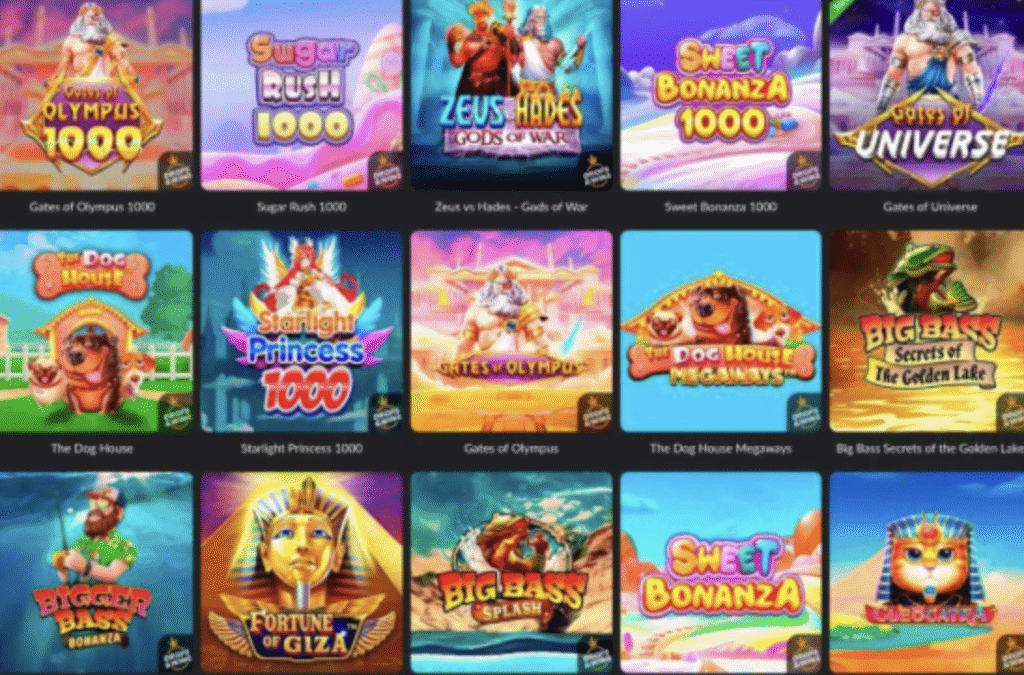
User engagement online used to be measured in long sessions: minutes stacked into hours, a “proper” sit-down game, a clear start and finish. That mindset still exists, but it’s no longer the center of gravity. Today, the real competition isn’t another game. It’s the next notification, the next short video, the next thing that steals 30 seconds.
That’s why instant-play hubs like tamasha instant game keep pulling attention so consistently. They don’t ask for commitment up front. They offer something closer to a quick interaction: open, play, move on. And weirdly enough, that’s exactly how loyalty gets built now.
Engagement shifted from “long” to “often”
Instant play changes the rhythm. It doesn’t try to trap users in a single long session; it encourages frequent returns. The habit looks less like “gaming night” and more like checking the weather. Small, repeatable, easy to restart.
For platforms, that means different metrics start to matter more than raw session length. Return rate, time-to-first-action, and the number of “tiny sessions” per day become the new scoreboard. It’s a quieter kind of engagement, but it scales.
Time-to-fun is the new product promise
A lot of traditional apps still waste the first minute. Splash screens, pop-ups, bonus banners, login nudges, tutorial friction. Instant-play design basically says: cut it or lose the user.
What’s interesting is how ruthless it is about removing “identity overhead.” Casual users don’t want to build a profile, pick an avatar, or confirm five permissions just to try a round. They want proof the platform is worth their time. Now. Not after onboarding.
The feed mentality is creeping into games
Instant games are increasingly structured like a content feed. Not in a “doomscrolling” cliché way, but in the sense that the next option is always one tap away and the experience is modular. Users can bounce between different game types without feeling like they’re abandoning progress or “quitting” something.
This format reshapes engagement because it lowers the emotional cost of switching. Switching used to be churn. Now switching is normal behavior inside the same platform.
LiveOps without the heavy costume
Big games run seasons, events, and drops. Instant platforms do it too, just with lighter packaging. Daily challenges, short streaks, limited-time modes. Nothing that requires a calendar invite.
That cadence is powerful because it creates a soft reason to return. Not a guilt trip. Not an aggressive push notification. Just a small hook: “There’s something new today.” It’s simple, but simplicity is kind of the point.
Where instant play really wins: recovery
Modern usage is full of interruptions. Calls, low signal, app switching, battery warnings. The platforms that keep engagement aren’t the ones that never fail. They’re the ones that fail gracefully.
A good instant experience tends to do three things well:
- it gets users back into play without forcing a full restart
- it explains what happened in plain language when something breaks
- it doesn’t punish the user for stepping away mid-flow
That “no punishment” design choice is underrated. It makes returning feel safe, not annoying.
The trust layer is now part of engagement
Fast formats can also burn trust fast. If rules feel unclear, outcomes feel inconsistent, or monetization starts looking pushy, users don’t write angry emails. They just disappear.
The instant-play platforms that keep people tend to be boring in the right ways: clear rules, predictable behavior, and controls that don’t hide in a maze. Responsible play tools, spending limits, and notification controls aren’t “extras” anymore. They’re part of whether users feel comfortable coming back tomorrow.
The takeaway
Instant play is reshaping engagement by fitting into real life instead of trying to override it. The new model isn’t built on long immersion; it’s built on quick entry, repeatable loops, and frictionless returns. For casual users, that feels natural. For platforms, it’s a different kind of stickiness: less dramatic, more dependable, and hard to beat once people get used to it.