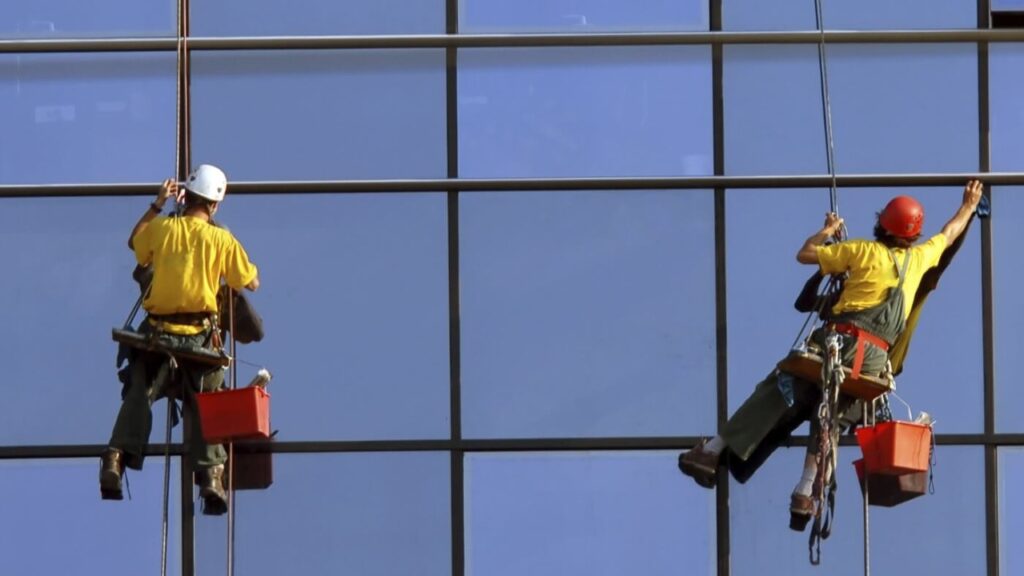
Working at heights is one of the most hazardous tasks across industries such as construction, maintenance, and telecommunications. Even a minor slip can result in serious injury or fatal accidents. This is why proper fall protection equipment is not just recommended—it is essential. Among the various safety solutions available, body support systems play a critical role in protecting workers and ensuring operational safety.
Modern workplaces prioritize not only productivity but also the well-being of employees. As a result, industries have adopted advanced protective gear designed to minimize risks and provide stability during elevated work. These systems are engineered to reduce the impact of falls and keep workers secure at all times.
Understanding Fall Protection Equipment
Fall protection equipment is designed to prevent falls or safely arrest them when they occur. It typically includes anchors, connectors, and body support components that work together as a complete system. The body support element is what the worker wears, and it plays a central role in distributing force and maintaining balance.
Unlike older safety methods that relied on simple waist belts, modern systems focus on full-body support. This approach ensures that the force generated during a fall is distributed across stronger parts of the body, reducing the risk of severe injury.
What is a Safety Harness Belt?
A safety harness belt is a form of personal protective equipment used to secure a worker while operating at height. It is designed with multiple straps that wrap around the shoulders, chest, thighs, and waist, creating a secure fit.
The primary purpose of this equipment is to connect the user to a secure anchor point. In the event of a fall, the harness prevents the person from hitting the ground by stopping the fall and holding them in place. It also helps keep the body upright, making rescue easier and reducing the risk of further complications.
Key Components and Design
Modern harness systems are carefully engineered with several essential components. These include strong webbing straps, adjustable buckles, and attachment points known as D-rings. These elements work together to ensure both safety and comfort during use.
The straps are typically made from high-strength synthetic materials that can withstand heavy loads and harsh environments. Adjustable buckles allow users to customize the fit, ensuring that the harness remains secure without restricting movement. D-rings provide connection points for lanyards and lifelines, enabling the system to function effectively.
Padding is often included in areas such as the shoulders and thighs to enhance comfort, especially during prolonged use. Some designs also feature indicators that show whether the harness has been subjected to a fall, helping with inspection and maintenance.
Types of Harness Systems
There are several types of harness systems designed for different applications. Full-body harnesses are the most commonly used for fall arrest, as they distribute force across the entire body. These are ideal for construction and industrial work where the risk of falling is high.
Positioning harnesses are used when workers need to remain stable in a specific position while keeping their hands free. Suspension harnesses are designed for tasks that require workers to be suspended for extended periods, such as window cleaning or rescue operations.
Each type serves a specific purpose, and selecting the right one depends on the nature of the task and the level of risk involved.
Benefits of Using Proper Safety Gear
The most important benefit of using a harness system is fall protection. By securing the worker to a stable structure, it significantly reduces the risk of injury or death. These systems are designed to absorb shock and distribute forces evenly, minimizing the impact on the body.
Another advantage is improved stability. Workers can perform tasks more confidently when they know they are securely supported. This not only enhances safety but also increases efficiency and productivity on the job.
Additionally, these systems help organizations comply with safety regulations and standards. Proper use of protective equipment ensures that workplaces meet legal requirements and maintain high safety standards.
Applications Across Industries
Harness systems are widely used across various industries where working at height is involved. In construction, they are essential for workers operating on scaffolding, rooftops, or high-rise structures. In telecommunications, technicians rely on them while climbing towers or poles.
They are also used in maintenance work, such as cleaning building exteriors or repairing elevated equipment. Even in specialized fields like rescue operations and oil and gas, these systems play a vital role in ensuring safety.
Their versatility makes them an indispensable part of modern safety practices.
Choosing the Right Equipment
Selecting the right protective gear requires careful consideration of several factors. These include the type of work, height involved, environmental conditions, and compatibility with other safety components. A well-fitted harness is crucial, as improper fit can reduce effectiveness and cause discomfort.
It is also important to ensure that the equipment meets relevant safety standards and is regularly inspected for wear and damage. Routine checks help identify potential issues before they become serious problems.
For professionals exploring reliable fall protection solutions, options like safety harness belt systems are designed to provide both security and comfort in demanding work environments.
Conclusion
Working at height will always carry inherent risks, but the right safety measures can significantly reduce those dangers. Protective systems that combine durability, comfort, and reliability are essential for maintaining safe working conditions.
By understanding how these systems function and why they are important, businesses and workers can make informed decisions that prioritize safety without compromising efficiency. Investing in proper equipment is not just a requirement—it is a responsibility that ensures long-term protection and peace of mind.