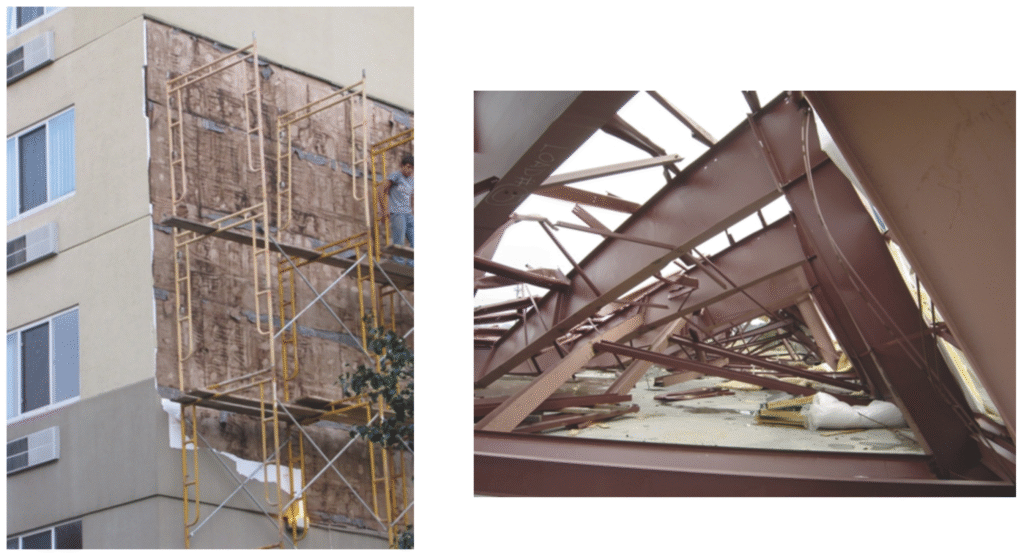
When a structure fails, people often assume there must have been obvious warning signs beforehand. Cracks, bends, or visible damage are usually what come to mind. In reality, many structural failures occur without any clear visual indicators at all.
The reason is simple. Some of the most dangerous defects develop deep inside materials where they cannot be seen by the naked eye. Small flaws can slowly grow under stress until a critical point is reached. At that moment, failure can happen suddenly and without visible warning.
Because these hidden defects are difficult to detect, industries that rely on metal components often use specialised inspection methods such as mpi testing to identify internal weaknesses before they become serious problems.
Understanding why these failures occur helps explain why preventive inspections are so important in construction, engineering, and manufacturing.
The Hidden Nature of Material Fatigue
Many structural failures are caused by a process known as material fatigue. This happens when a material is repeatedly exposed to stress over time.
Even if the stress level is well within safe limits, tiny microscopic cracks can begin to form inside the material. Each cycle of loading and unloading causes those cracks to grow slightly larger.
Eventually, the crack reaches a size where the material can no longer support the load, leading to sudden failure.
What makes fatigue particularly dangerous is that the early stages are invisible. A component may look perfectly intact while internal damage continues to develop.
Microcracks Are Often Too Small to See
Structural components are designed to handle heavy loads, but even strong materials contain microscopic imperfections.
These imperfections can become the starting point for cracks when the material is subjected to stress, vibration, or repeated movement.
Common causes of microcracks include:
- Repeated mechanical stress
- Temperature fluctuations
- Manufacturing imperfections
- Corrosion or environmental exposure
At first, these cracks are so small they cannot be detected through visual inspection alone. Without specialised testing, they may remain unnoticed until they reach a critical size.
Why Visual Inspections Are Not Always Enough
Visual inspection is one of the most common maintenance practices used across many industries. It is fast, inexpensive, and useful for identifying obvious damage.
However, visual inspection has limitations.
Many structural issues develop beneath the surface of materials where they cannot be seen. A component may appear perfectly normal from the outside while internal damage continues to grow.
Examples of hidden structural issues include:
- Internal cracks within metal components
- Subsurface corrosion
- Weak weld joints beneath the surface
- Stress fractures inside load-bearing parts
Because these defects are hidden, relying solely on visual inspection can sometimes create a false sense of security.
Stress Concentration Can Accelerate Failure
Certain areas of a structure naturally experience higher levels of stress than others. These locations are known as stress concentration points.
Common stress concentration areas include:
- Weld joints
- Bolt holes
- Sharp corners in metal components
- Areas where materials change thickness
When stress repeatedly focuses on these points, microscopic cracks are more likely to develop. Over time, these cracks can expand rapidly under continued pressure.
This is why structural engineers often design components with smooth transitions and reinforced joints to reduce stress concentration.
Environmental Factors That Contribute to Hidden Damage
Environmental conditions can also accelerate structural deterioration.
Exposure to moisture, chemicals, or extreme temperatures can weaken materials gradually without producing obvious external damage.
Some common environmental contributors include:
- Corrosion from moisture or salt exposure
- Thermal expansion and contraction from temperature changes
- Chemical exposure in industrial environments
- UV degradation in certain materials
These conditions can cause internal damage that develops slowly over time, making it difficult to detect without proper monitoring.
The Role of Preventive Inspection
Because many structural defects are invisible during their early stages, preventive inspection plays a crucial role in maintaining safety.
Specialised inspection methods allow engineers and technicians to detect small flaws before they become serious problems.
Preventive inspections help organisations:
- Identify hidden cracks early
- Monitor structural integrity over time
- Prevent unexpected equipment failure
- Extend the lifespan of critical components
By addressing defects before they grow, companies can avoid costly repairs and reduce the risk of dangerous structural failures.
Small Defects Can Lead to Large Failures
One of the most surprising aspects of structural failure is how small the original defect can be.
A microscopic crack may take months or years to develop into a major issue. During that time, the structure may continue functioning normally with no visible signs of trouble.
However, once the crack reaches a certain size, the remaining material may no longer be strong enough to support the load. When this happens, failure can occur suddenly and without warning.
Understanding the Importance of Early Detection
Structural safety often depends on identifying problems long before they become visible. Many of the most serious failures occur because hidden defects go unnoticed during the early stages.
By recognising how fatigue, environmental stress, and microscopic flaws contribute to structural damage, engineers and maintenance teams can take a more proactive approach to inspection.
Early detection allows small issues to be addressed while they are still manageable. In the long run, this approach protects infrastructure, equipment, and the people who rely on them every day.