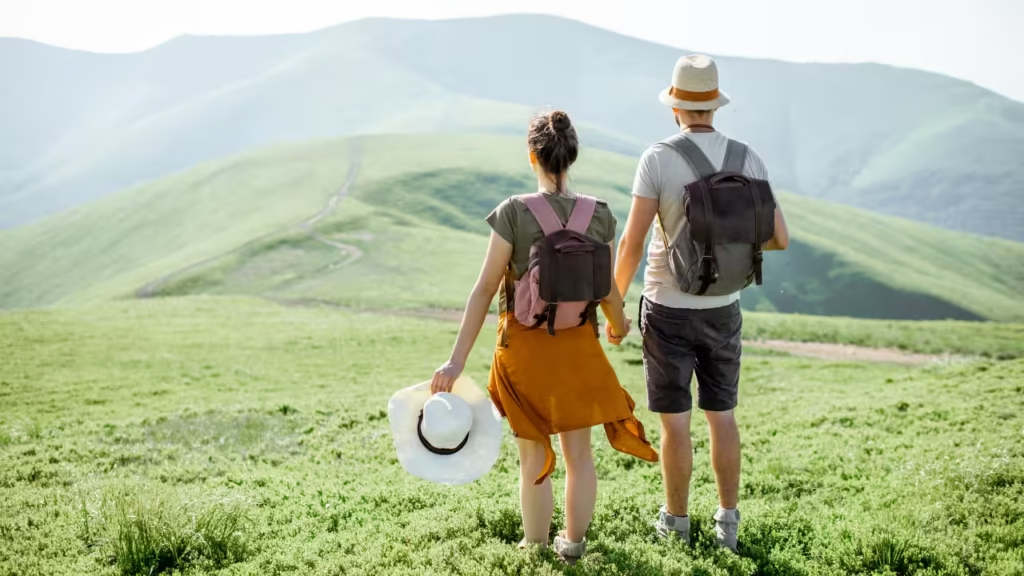
Traveling can be one of life’s most enriching experiences, but without proper planning, it can also become a source of stress. From choosing destinations to managing budgets and timelines, organizing a trip requires careful preparation. Statistics show that travelers who plan ahead enjoy 42% more satisfaction with their trips compared to those who decide spontaneously. To help you maximize your experience, we’ve put together a comprehensive guide answering some of the most common questions about travel planning.
What Is the First Step in Planning a Trip?
The first step in trip planning is defining your purpose and destination. Are you traveling for leisure, adventure, cultural exploration, or relaxation? Identifying the primary goal of your journey helps narrow down destinations, activities, and accommodations. According to a recent survey, 58% of travelers begin their trip planning by researching destinations online, using a combination of travel blogs, official tourism sites, and social media inspiration. Early planning helps avoid last-minute frustrations and ensures that you select a location suited to your interests.
How Should I Set a Travel Budget?
Setting a realistic budget is essential for a smooth trip. Start by calculating costs for flights or transportation, accommodations, meals, activities, and any local experiences. Industry research suggests that travelers overspend by an average of 22% when budgets are not clearly defined. It’s important to include a buffer for emergencies and unexpected expenses. Many travel apps now offer tools to estimate daily spending, track expenses in real time, and compare prices across multiple services, making budget management more straightforward than ever.
How to Choose the Best Time to Travel?
Timing can dramatically influence your travel experience. Peak tourist seasons usually bring higher costs and crowded attractions, while off-peak travel can offer better deals and a more relaxed experience. Climate and local events should also factor into your decision. For example, some destinations may experience heavy rainfall or extreme temperatures during certain months, affecting both comfort and activity options. Researching local weather patterns and event calendars is therefore a crucial step in organizing your trip efficiently.
What Are the Most Effective Ways to Book Flights and Accommodations?
Booking strategically can save both time and money. Data shows that booking flights approximately 6-8 weeks in advance yields the best average price for domestic travel, while international tickets often benefit from a 3-5 month lead time. Flexible travel dates can also help you secure better deals. For accommodations, compare hotels, hostels, vacation rentals, and boutique stays using multiple booking platforms. Reviews and ratings play a critical role; 79% of travelers report that online reviews strongly influence their lodging choices.
How Do I Plan Daily Itineraries?
A well-structured itinerary balances sightseeing, leisure, and travel time. Start by listing must-see attractions and experiences, then estimate how much time each activity will require. Leave room for spontaneous exploration and rest periods to avoid burnout. Studies indicate that trips with pre-planned itineraries reduce travel stress by up to 35%. Digital tools like itinerary planners and travel apps can help organize your days efficiently, allowing you to adjust schedules as needed without losing track of your plan.
How Important Is Travel Insurance?
Travel insurance is a critical safeguard for any trip. It covers unexpected events such as flight cancellations, medical emergencies, or lost luggage. According to recent data, only 43% of international travelers purchase travel insurance, yet claims show that nearly 20% of travelers face incidents that would be covered. Choosing the right plan depends on your destination, planned activities, and personal health conditions. Comprehensive coverage ensures peace of mind, allowing you to focus on enjoying your trip rather than worrying about unforeseen setbacks.
How Do I Pack Efficiently?
Packing efficiently saves both space and stress. Experts suggest packing versatile clothing items that can be layered and mixed, and always including essentials like travel documents, medications, and personal care items. Studies indicate that 65% of travelers overpack, leading to heavier luggage and higher transportation costs. Using packing cubes, checklists, and weight management strategies can make your luggage more organized and easier to handle, ensuring you have everything you need without unnecessary bulk.
How Can I Manage Transportation During the Trip?
Understanding local transportation options is key to smooth travel. Depending on the destination, you might use public transport, rental cars, taxis, or rideshare services. Researching routes, ticketing systems, and peak travel times can prevent delays and help you navigate efficiently. Travelers who plan their transportation in advance report 28% higher satisfaction with mobility during their trips. Apps for navigation, local transport schedules, and ride-hailing services are invaluable tools for stress-free movement.
How Do I Stay Safe While Traveling?
Safety is a top concern for travelers. Common safety practices include keeping copies of important documents, being aware of local customs, and avoiding high-risk areas. Studies reveal that travelers who take precautionary measures experience 40% fewer incidents. Health safety is also critical, so checking vaccination requirements, carrying first-aid essentials, and knowing emergency contacts is vital. Staying alert and informed helps ensure your trip remains enjoyable and incident-free.
How Should I Manage Communication and Connectivity?
Staying connected is important for navigation, communication, and emergencies. Consider options like local SIM cards, international roaming plans, or portable Wi-Fi devices. About 84% of travelers prefer having reliable mobile connectivity to check maps, translation tools, and travel guides. Digital apps can help with booking confirmations, itinerary updates, and real-time notifications about local conditions or emergencies, making connectivity an essential aspect of modern travel planning.
How Do I Ensure Cultural Respect and Local Engagement?
Respecting local cultures enhances the travel experience. Learn basic phrases of the local language, understand customs and etiquette, and be mindful of dress codes. Research indicates that travelers who engage respectfully with local communities report higher levels of satisfaction and richer experiences. Participating in guided cultural tours, community activities, or local events can provide insights that go beyond typical tourist experiences, creating memories that last a lifetime.
How Do I Handle Unexpected Changes During Travel?
Flexibility is crucial when organizing a trip. Flight delays, weather changes, or sudden closures can disrupt plans. Preparing backup options, understanding cancellation policies, and maintaining a positive mindset help travelers adapt smoothly. Research shows that trips with flexible arrangements have a 23% higher overall satisfaction rate. Staying calm and solution-oriented ensures that minor setbacks don’t turn into major frustrations, keeping your travel experience enjoyable.
How Can I Make the Most of Travel Experiences?
Maximizing travel experiences involves blending planning with spontaneity. Prioritize experiences that align with your interests while leaving room for discovery. Photo journals, travel blogs, or daily notes can help capture memories. Surveys indicate that travelers who actively document their experiences report higher satisfaction levels and better recall of their trips. Immersing yourself in local cuisine, activities, and interactions creates a richer and more rewarding travel experience.
How Do I Prepare for Post-Trip Organization?
Travel doesn’t end when you return home. Post-trip organization involves managing photos, souvenirs, and memories efficiently. Categorizing travel photos, reviewing expenses, and sharing experiences with friends or online communities enhances the sense of accomplishment. Studies show that reflection after a trip increases the perceived value and satisfaction of the experience. Proper follow-up ensures that your journey is fully appreciated and can even inspire future travel planning.
Conclusion
Knowing how to organize a trip requires balancing preparation with flexibility. From budgeting and itinerary planning to cultural engagement and safety, each aspect contributes to a smoother and more enjoyable travel experience. Statistical insights and expert tips reveal that proactive planning reduces stress, enhances satisfaction, and creates lasting memories. Whether it’s a short weekend getaway or an extended international adventure, thoughtful organization ensures every trip is rewarding, memorable, and truly stress-free.